Thursday, 20 November 2025

10 Best tour places to visit in Jaffna?

 VISIT JAAFNA 2026

Get the best offers on Jaffna Packages

Compare package quotes from top travel agents


country
Date of travel

email:


By clicking on the button above, you agree to the website’s terms and conditions

YOUR INFORMATION IS SECURE WITH US


VISIT JAFFNA 2026 TOURS AGENCY Ltd.,

35 Crystal Way, Dagenham, Essex RM8 1UE UK

Mobile: What's APP 044 7958 522 888

email:i: victorcherubim@aol.com

Tuesday, 18 November 2025


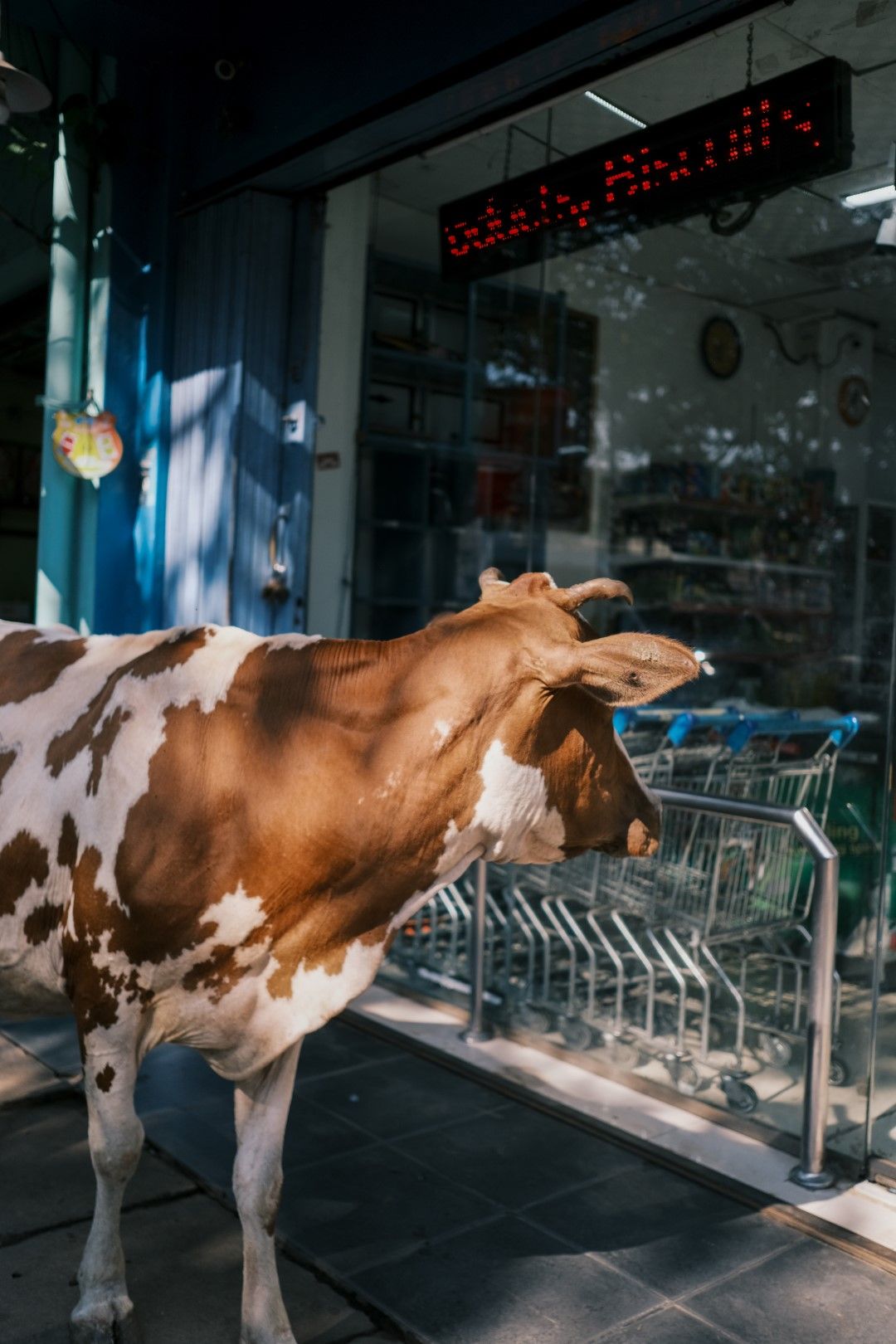
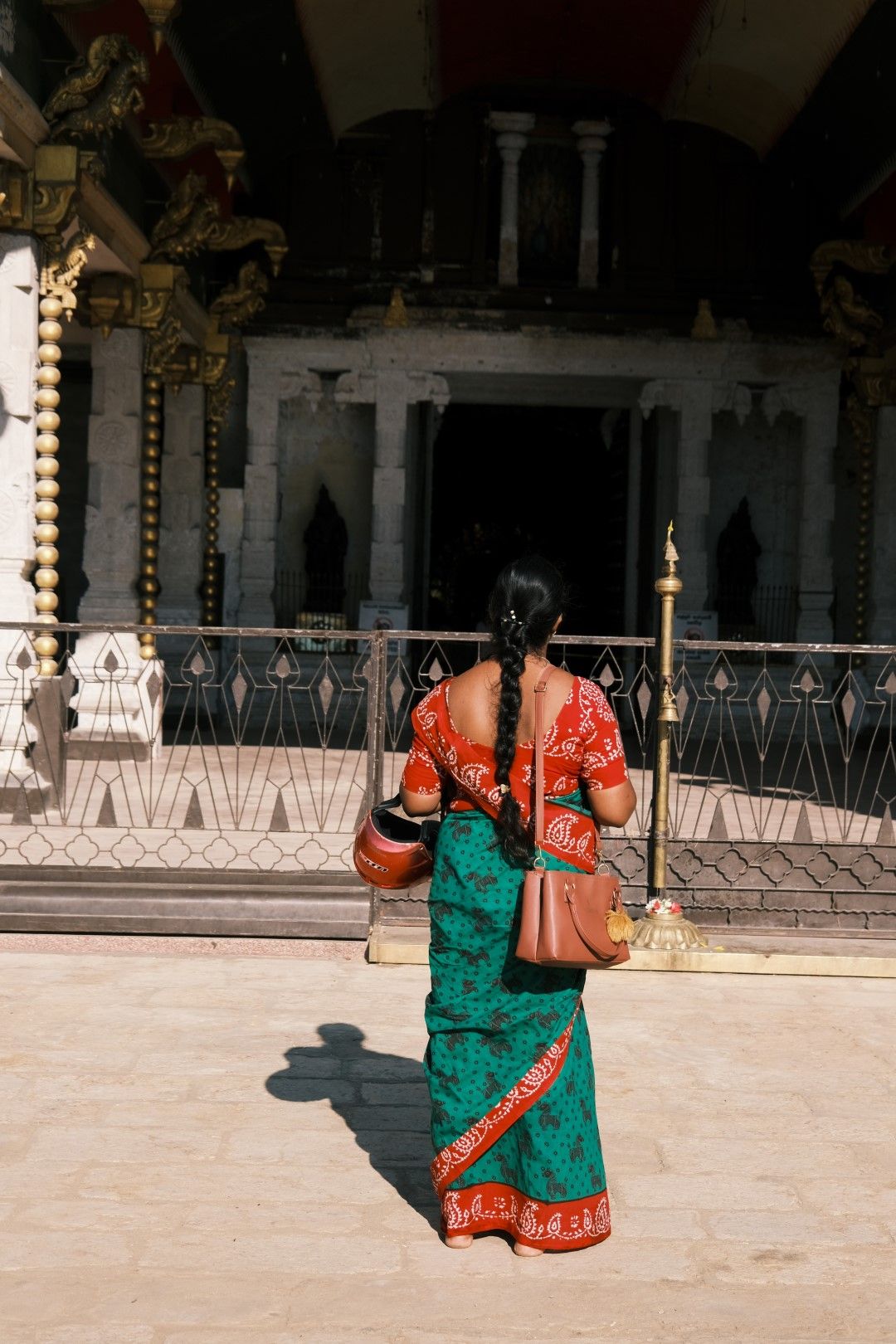
Jaffna is an intriguing city. It is located on the northern tip of Sri Lanka, where you can almost touch India, and far away from the lush mountains and palm-fringed white beaches Sri Lanka is known for. Jaffna is hot, flat and raw. Here, you can feel the Indian influence in the streets and in the food, from the colourful Hindu temples where sari-clad women and shirtless men pray and people on bicycles to the cows on the street and the bold flavours of spicy crab curry.

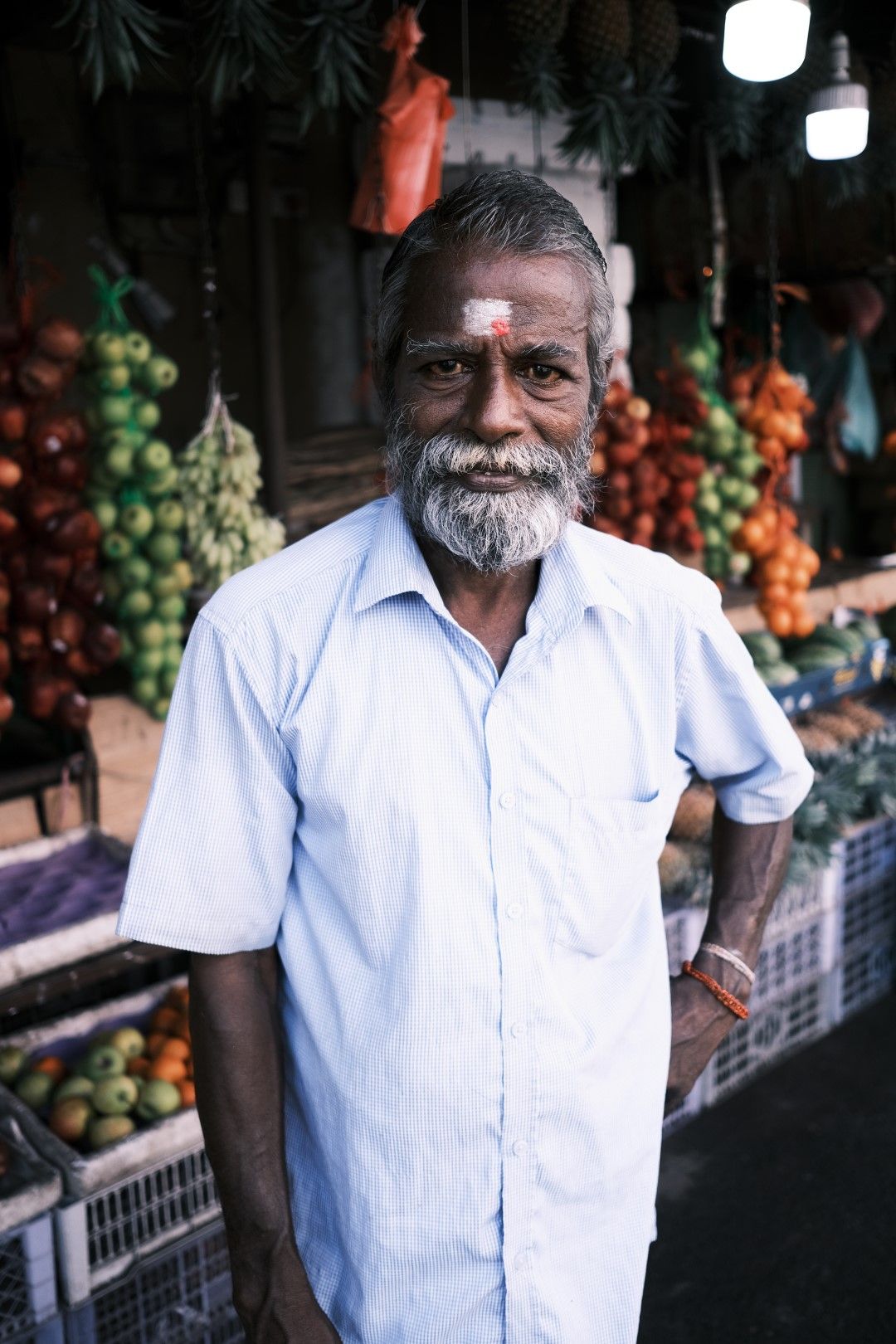
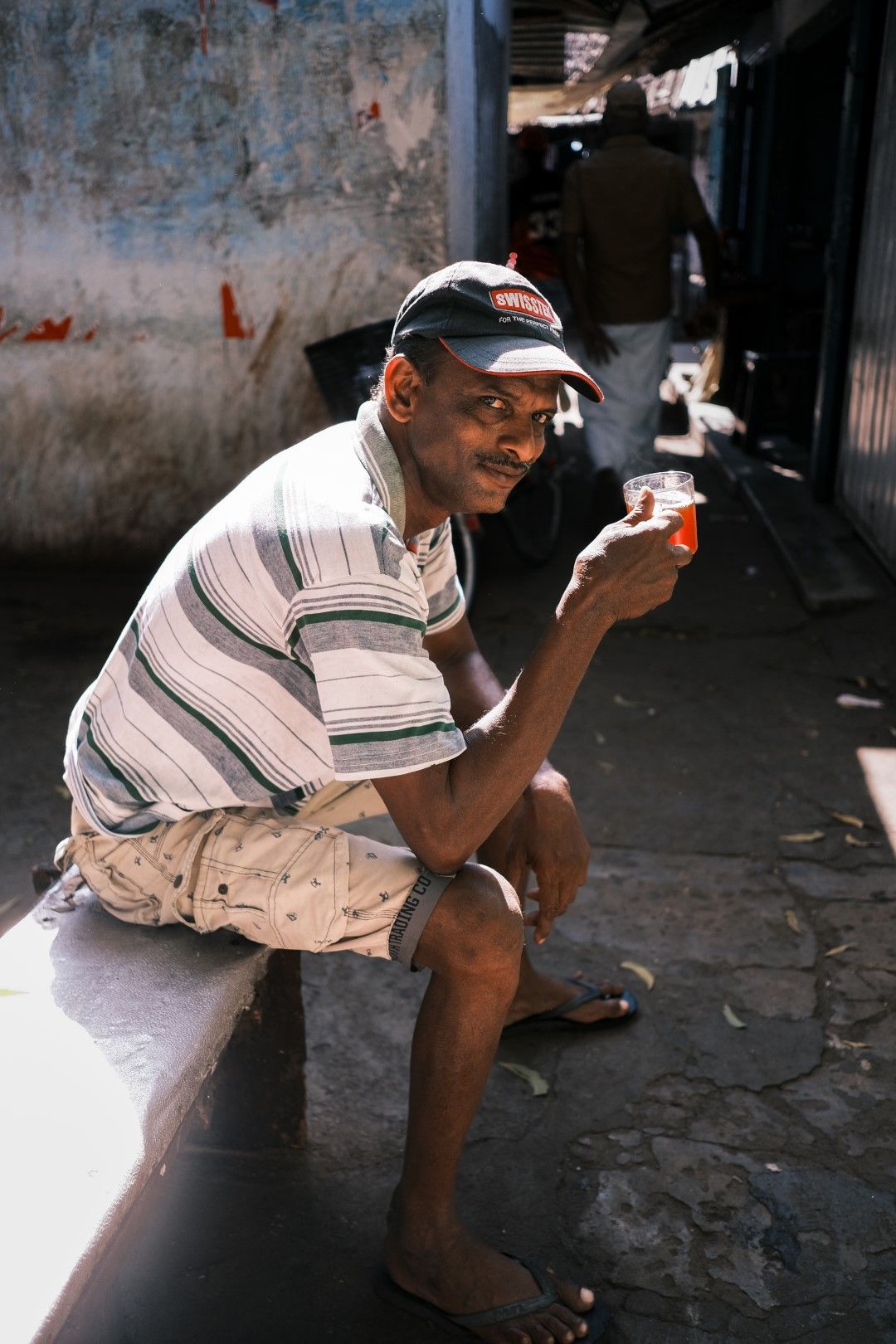
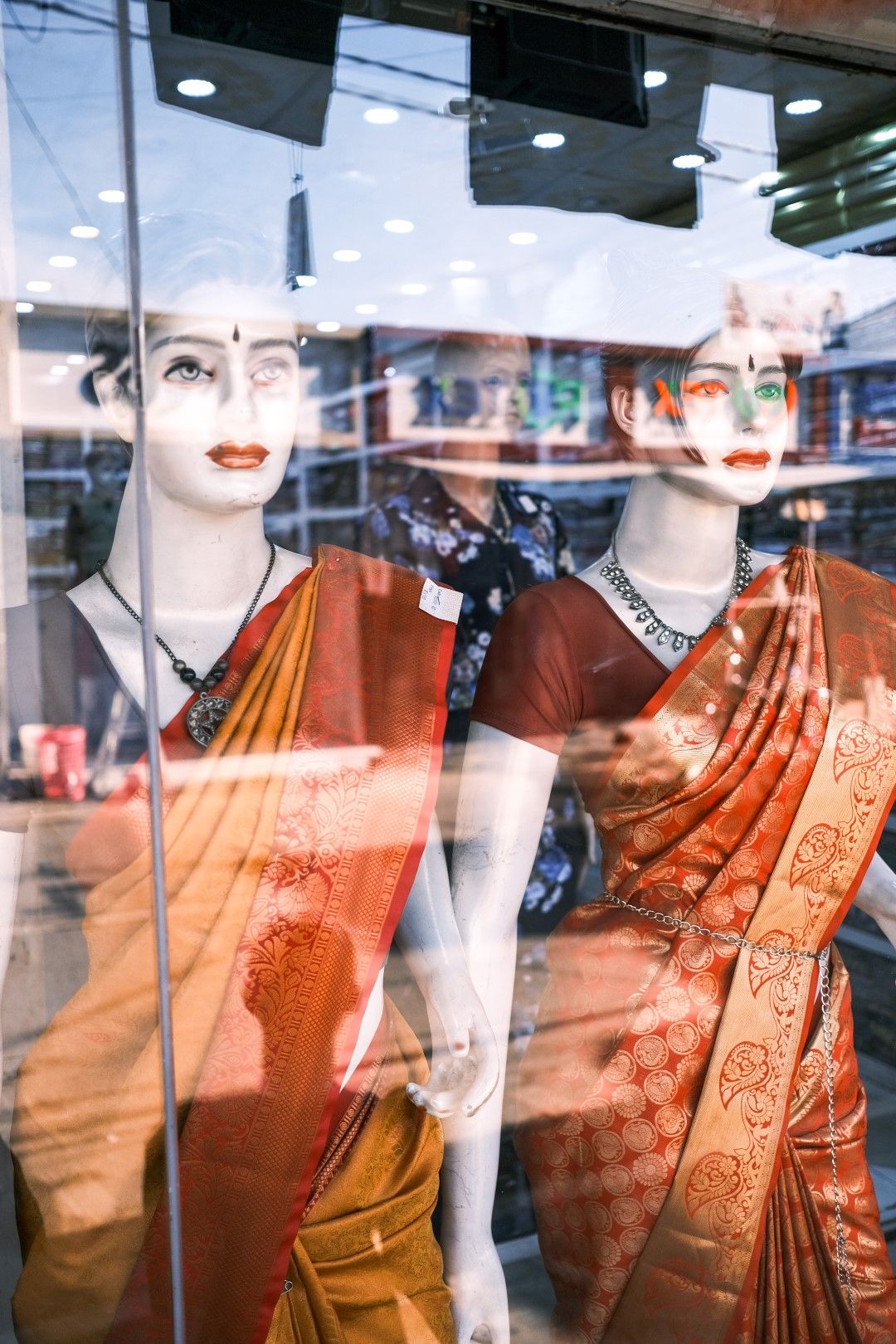
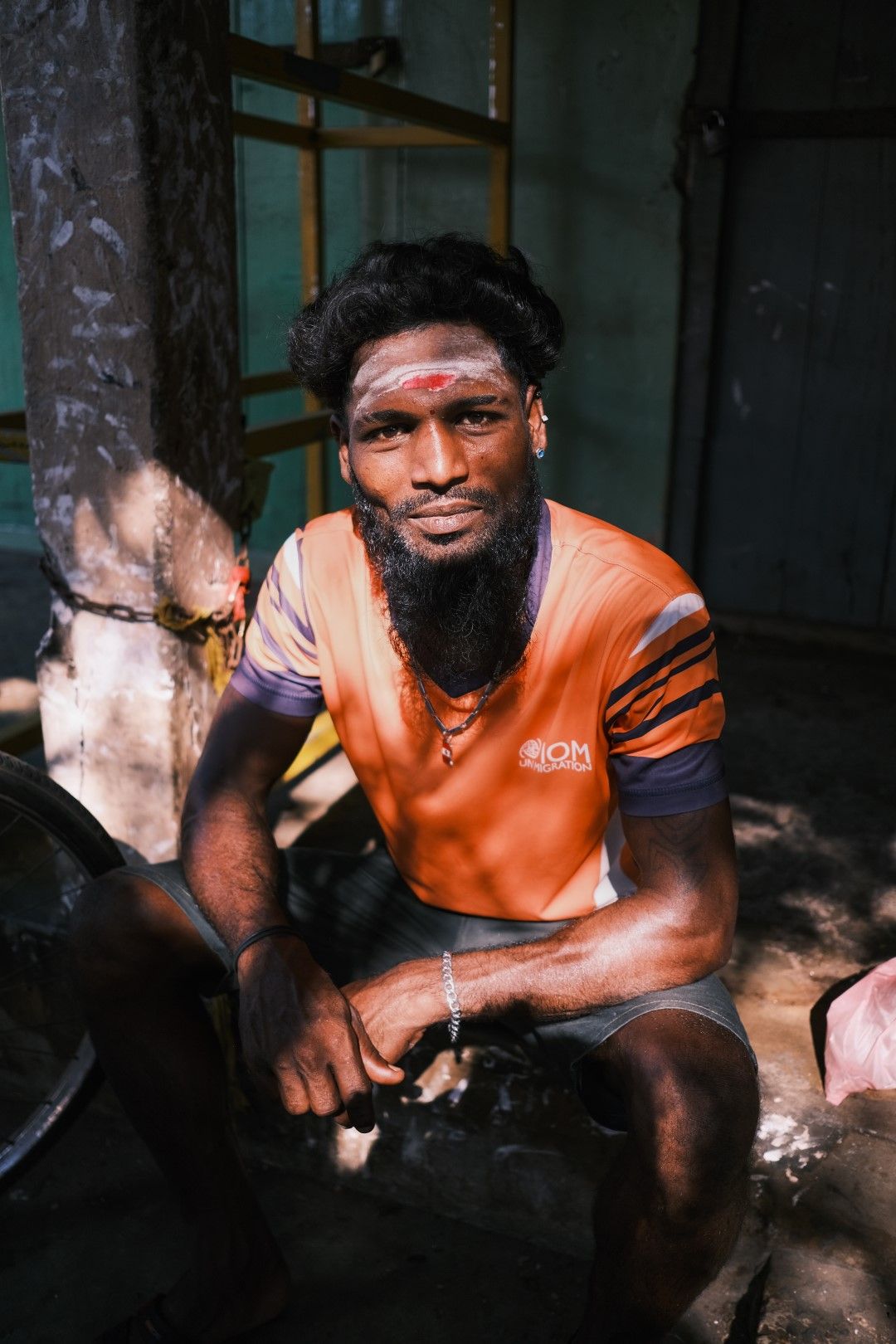
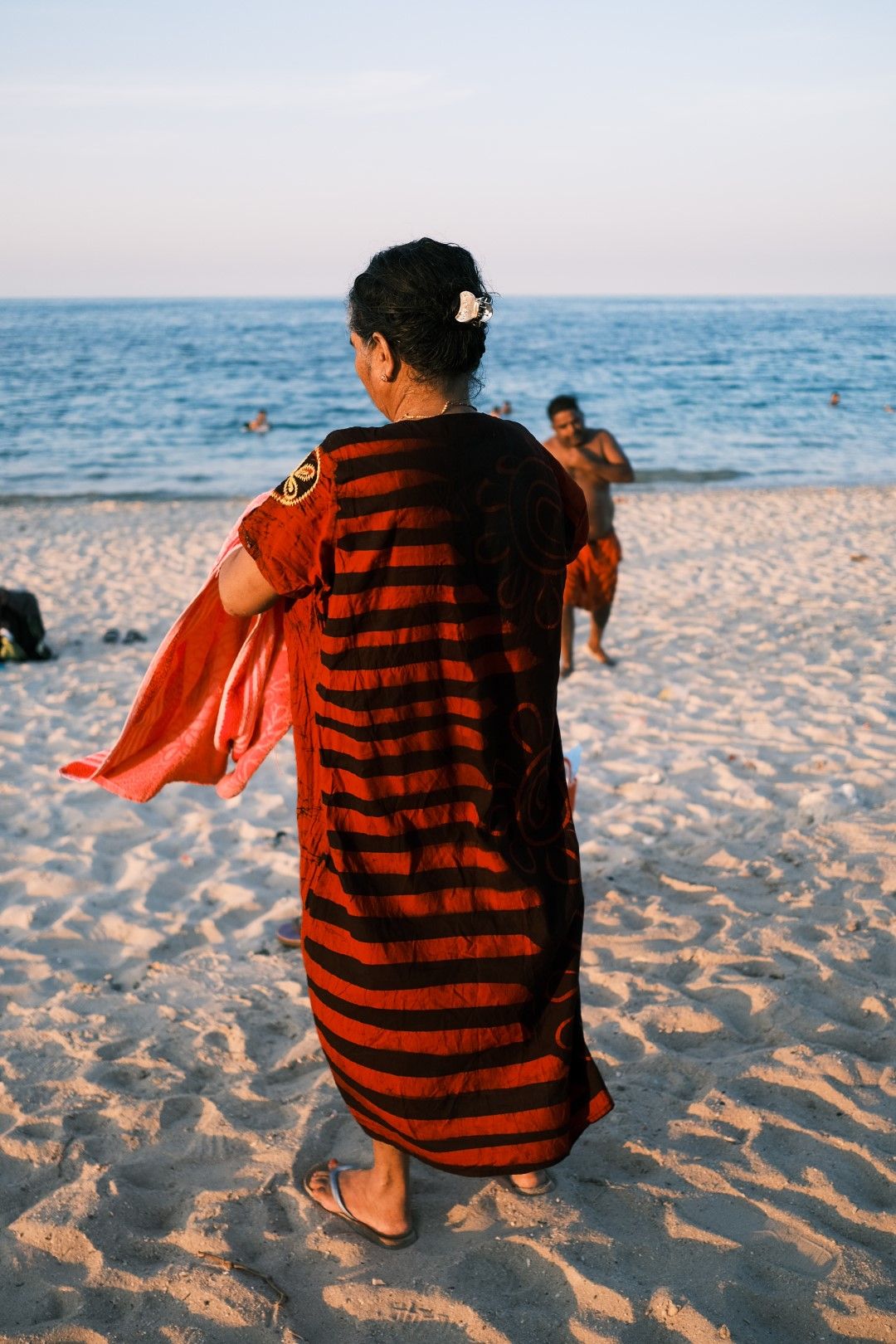
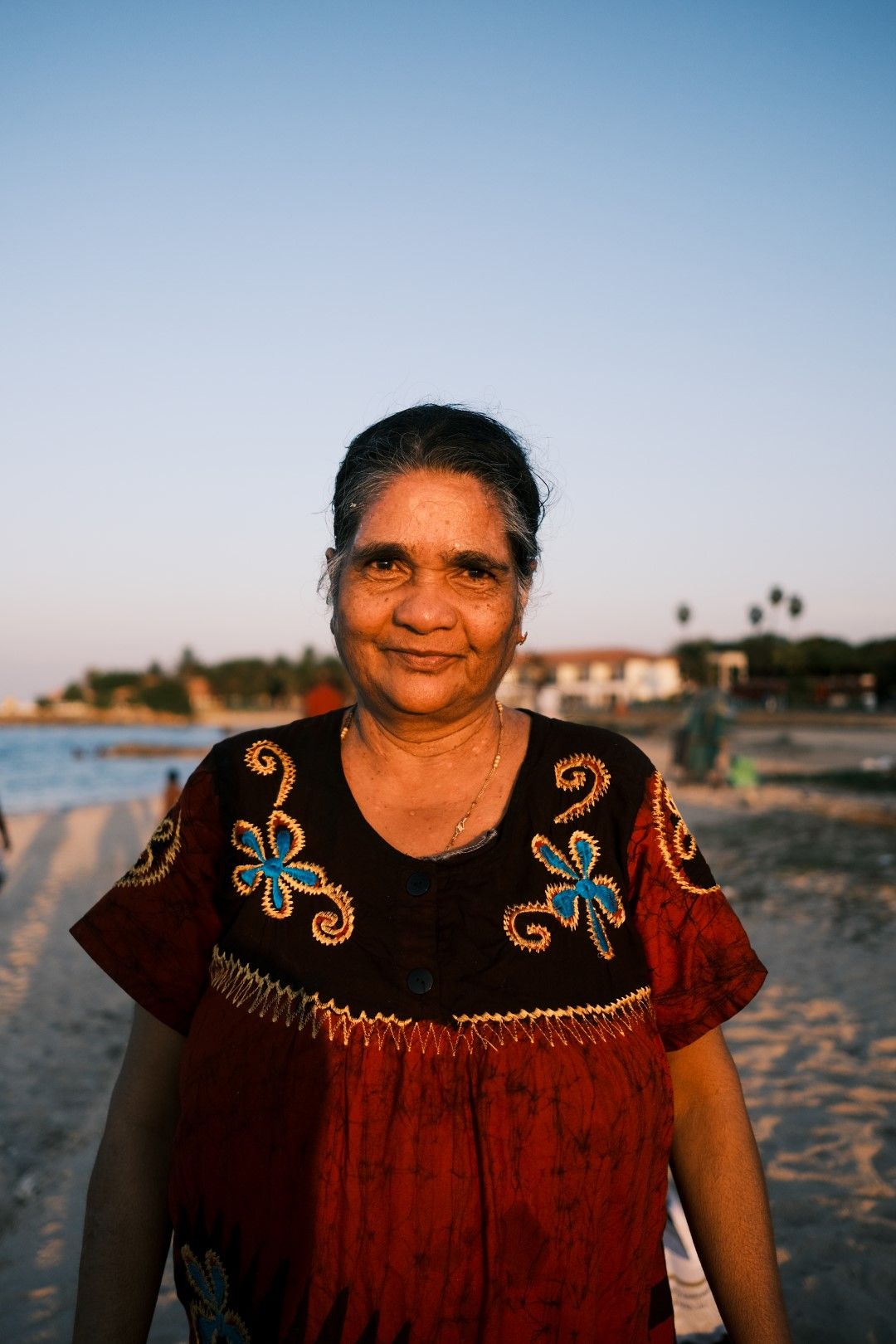
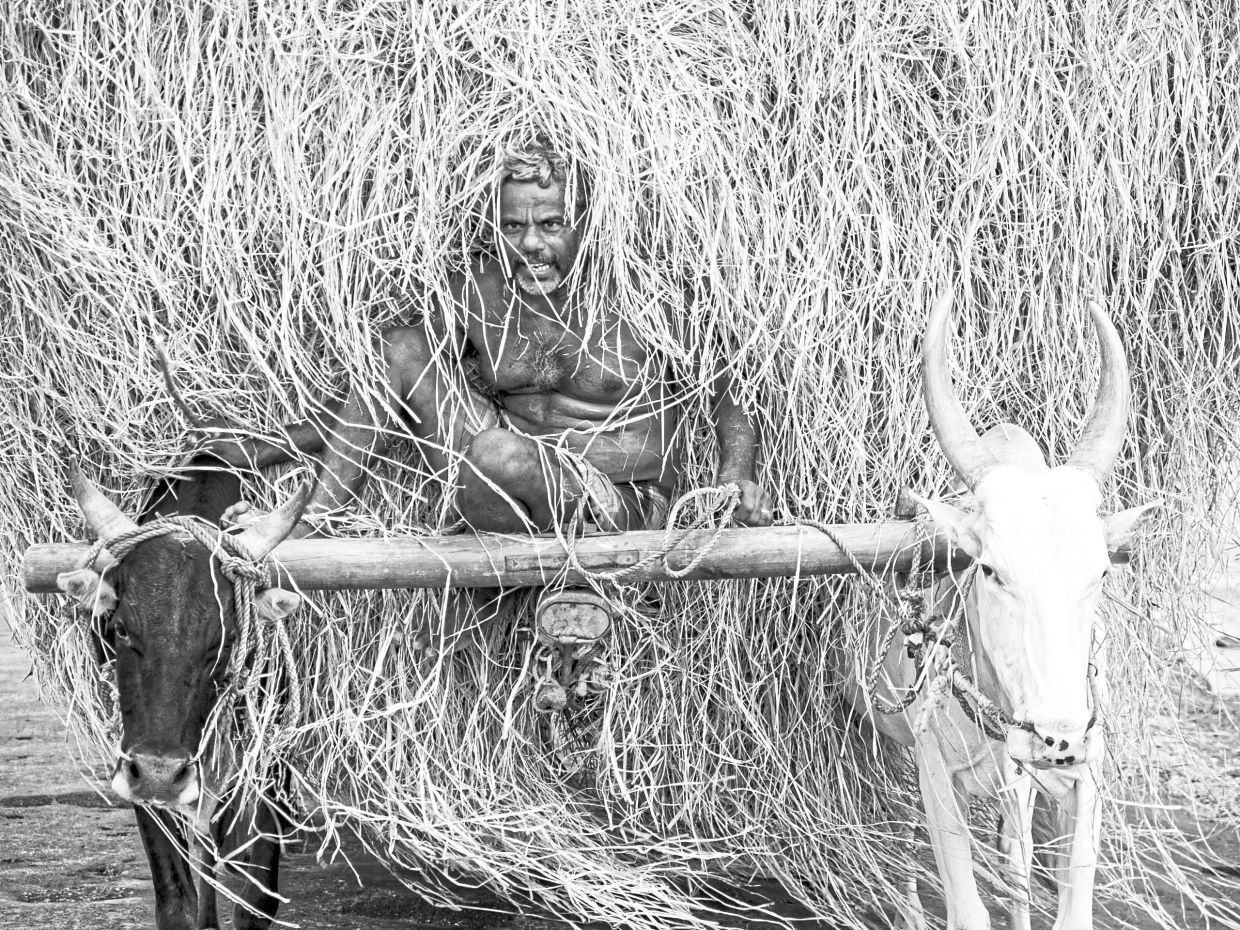
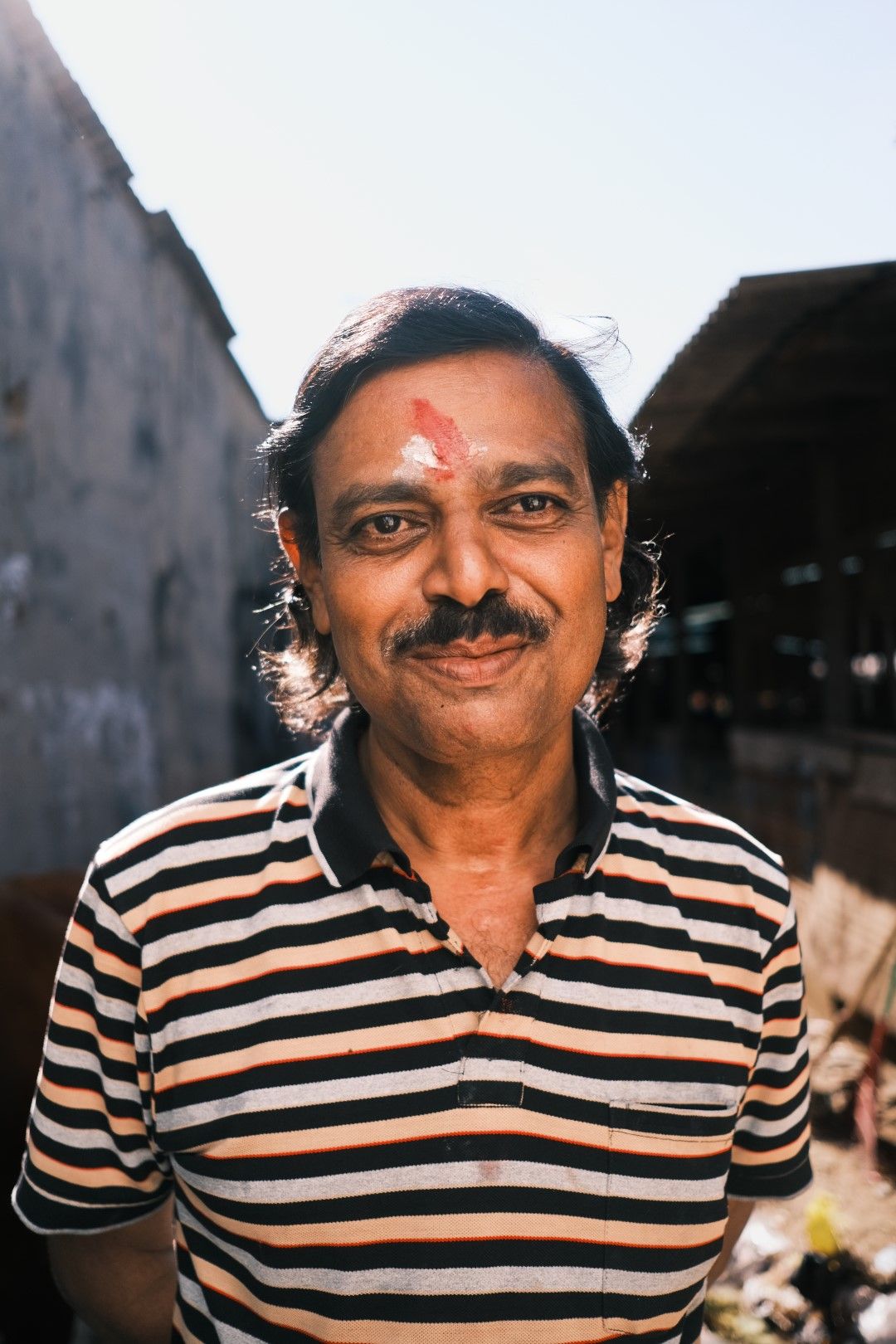
As a photographer and a foreigner living in Sri Lanka—I am originally from the Netherlands—it is great to be away from the usual tourist spots. I spent a few days in this off-the-beaten-path destination. As I wandered through Jaffna, camera in hand, I was drawn to people’s faces, their stories etched into their expressions and woven into the fabric of the city, a vibrant symphony of scents, sounds, and colours. Despite being an outsider, I sensed a welcoming atmosphere, a silent invitation to come closer. Feeling excited and yet vulnerable, I approached people on the streets of Jaffna. The more I roamed and the more locals I connected with, the more I could see the undeniable diversity, resilience and authenticity of Jaffna.

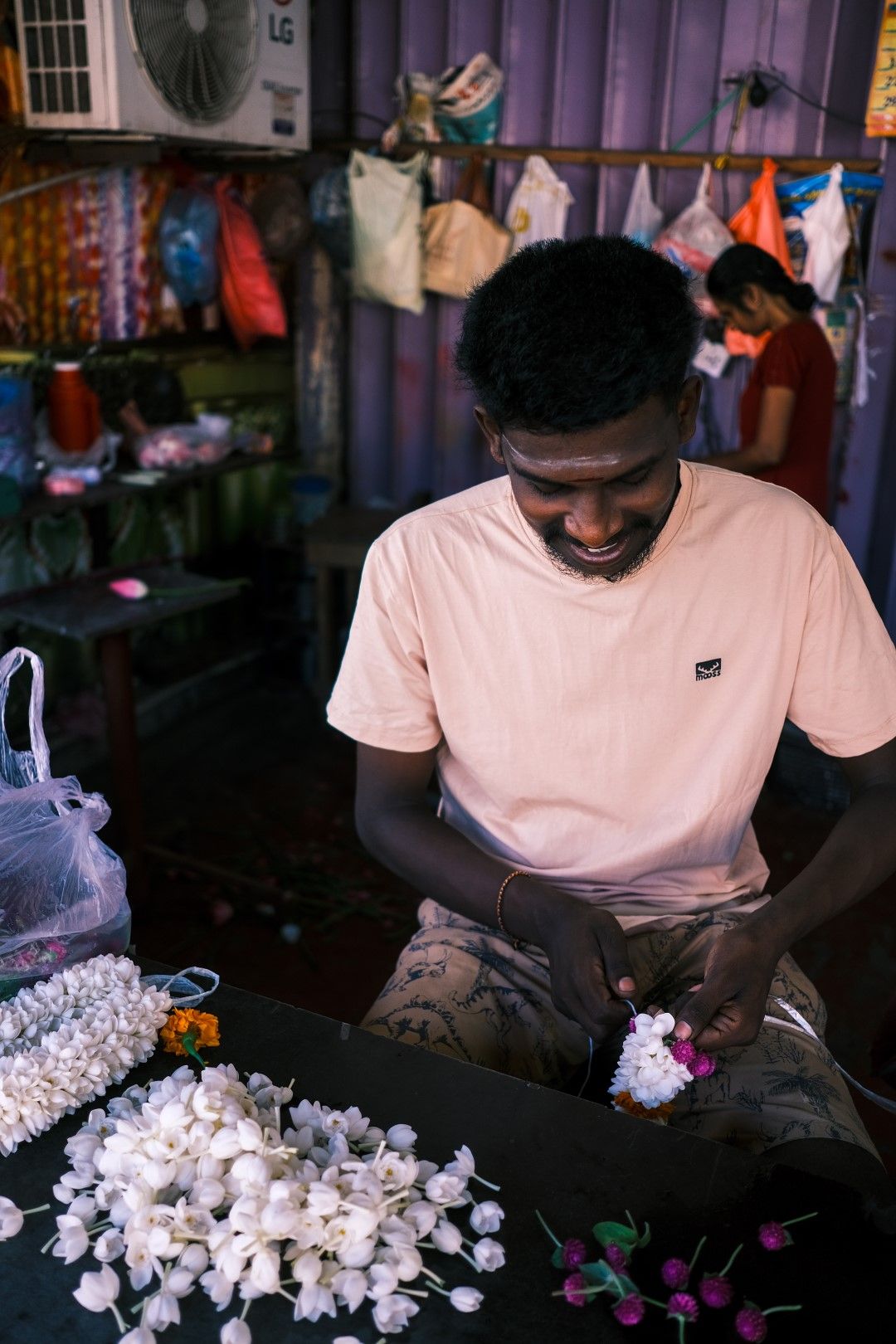
Through this collection of photographs, I invite you to meet the people of Jaffna who left an indelible mark on me. Each encounter was a revelation that revealed a unique face of Jaffna’s tapestry, whether it was a sparkle of curiosity in keen, kind eyes, a serene ritual of morning tea or the profound sincerity of craftsmanship. I hope my photos paint a vivid picture of Jaffna’s rich and diverse narratives.
About Kari

Kari Dooren is a strategic service designer with a curious mind, a heart for social design and a passion for photography and philosophy. Her work is characterised by wanderlust; capturing people, scenery, cultures, identities, and behaviours. Kari currently lives in Sri Lanka, where she works at the Netherlands Embassy in Colombo.

Find Kari at www.karidooren.com.

Monday, 17 November 2025

Let the people of Jaffna tell the story of themselves and their land

 LET THE PEOPLE OF JAFFNA TELL THE STORY OF THEMSELVES AND THEIR LAND

I didn't just visit Jaffna in Sri Lanka. I returned to it, like a forgotten verse in a prayer whispered by generations.

The palmyra trees still stood like old soldiers, their fronds rattling like memory in the wind. And the sun? It wasn’t just hot. It was righteous.

There is a wild charm to this place. Jaffna doesn’t seduce you gently; it grabs you by the collar with one hand, a toddy bottle in the other, and says, “Come see what the war couldn’t kill.”

We began in the heart of town, where my base was split between two wildly different but equally enchanting retreats. Jetwing Jaffna, that sleek tower of glass and hospitality, felt like a lighthouse in a land still finding its bearings.

Mahesa Bhawan meanwhile is not just a villa, but a house with memory baked into its walls. Built in 1935 by R.C.S. Cooke for his beloved Maheswari, it is now a shrine to time and taste.

From the rooftop at Jetwing, I watched the city’s pulse beat below. Men zipped past on mopeds with sarongs billowing like capes. Fruit vendors barked. Bells rang from kovils (temples). The scent of incense mixed with diesel.

And everywhere, the stoic grace of the people of Jaffna – resilient, sharp-eyed, quietly proud.

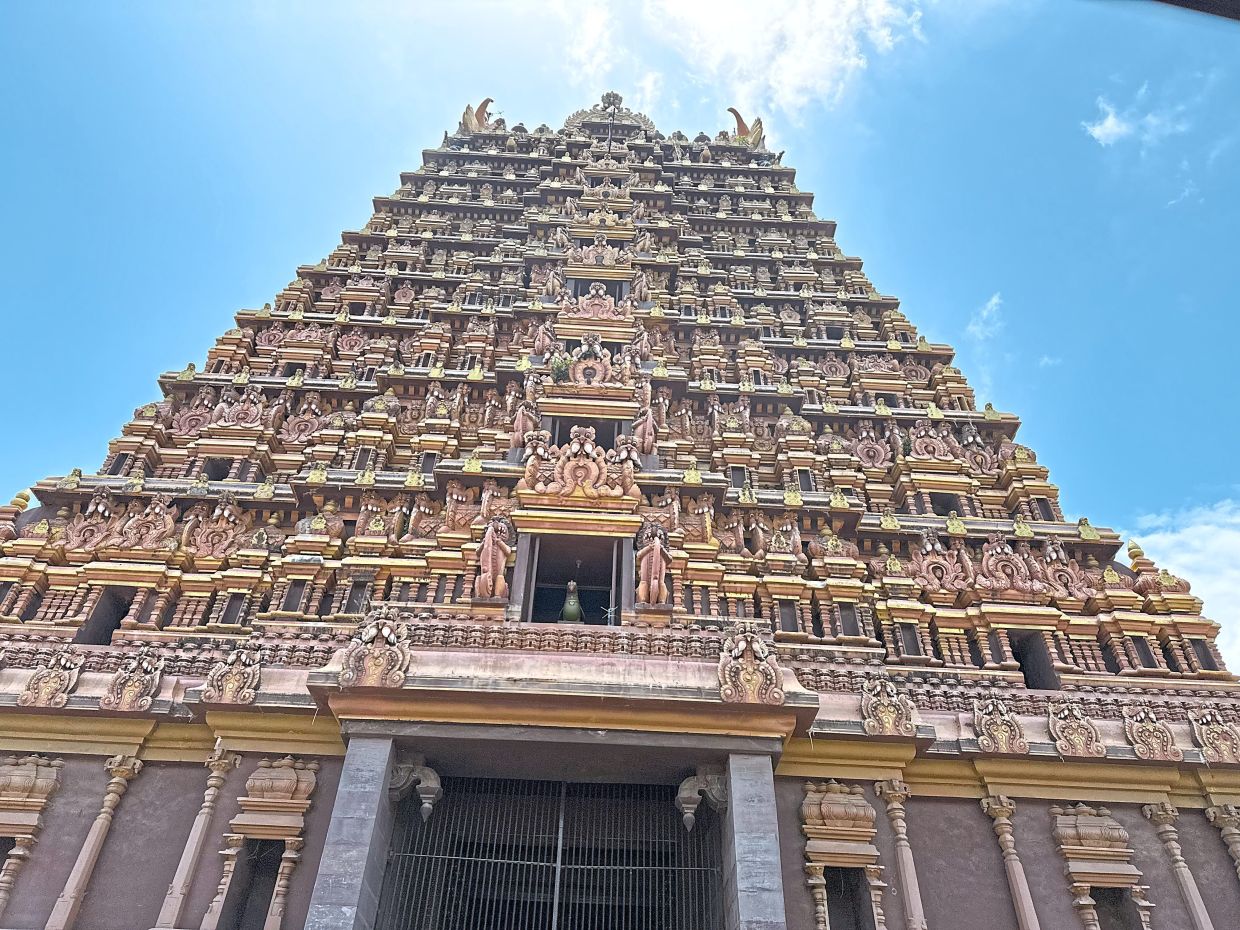
No journey here is complete without walking the sacred grounds of the Nallur Kandaswamy Temple. The gopuram, towering like a saffron flame, is a riot of stonework and devotion. Sanathi, the inner sanctum, thrums with an energy that can’t be explained, only felt.

I watched a young boy light camphor, his hands shaking slightly, his eyes unblinking. He wasn’t just praying. He was bargaining with the universe.

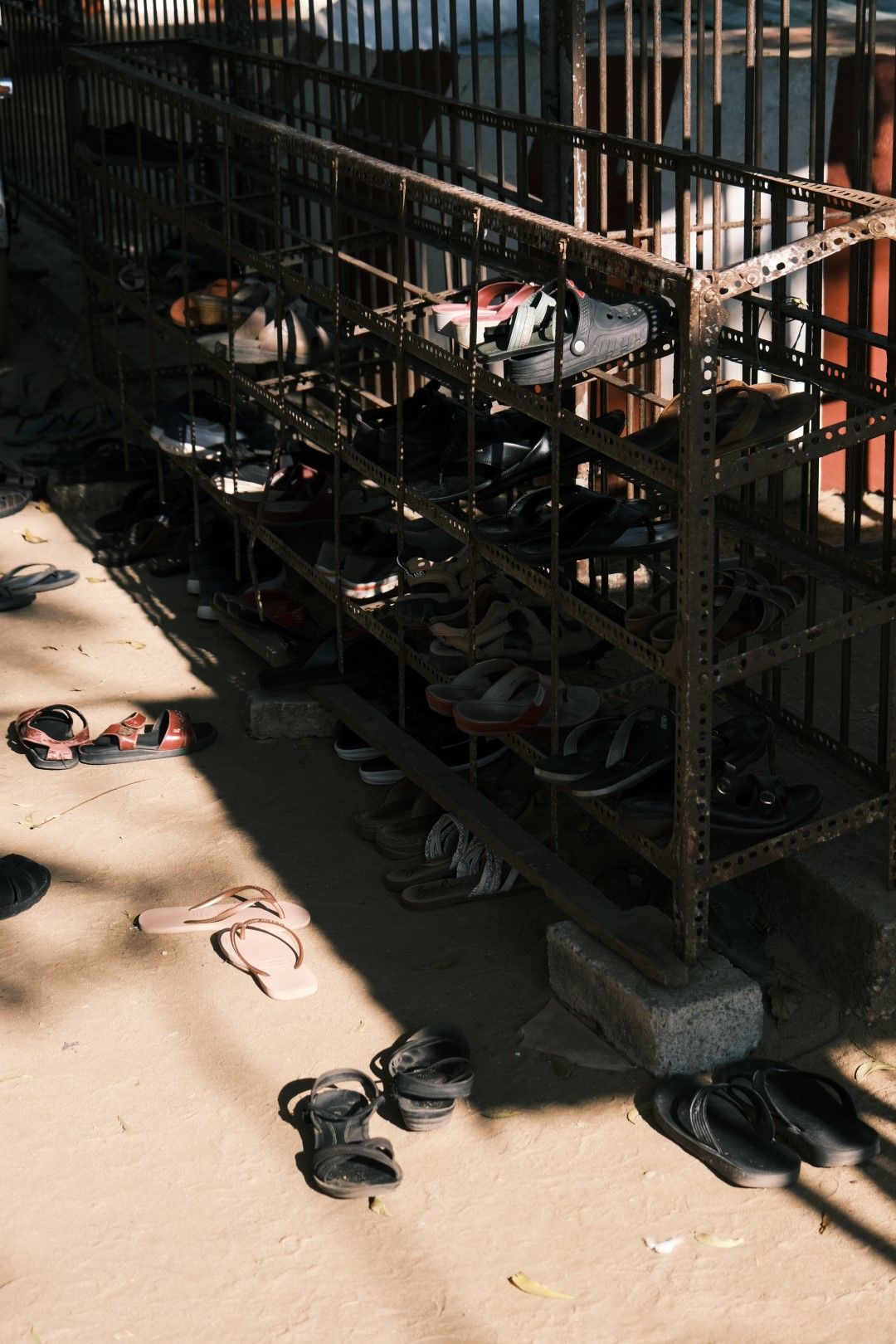
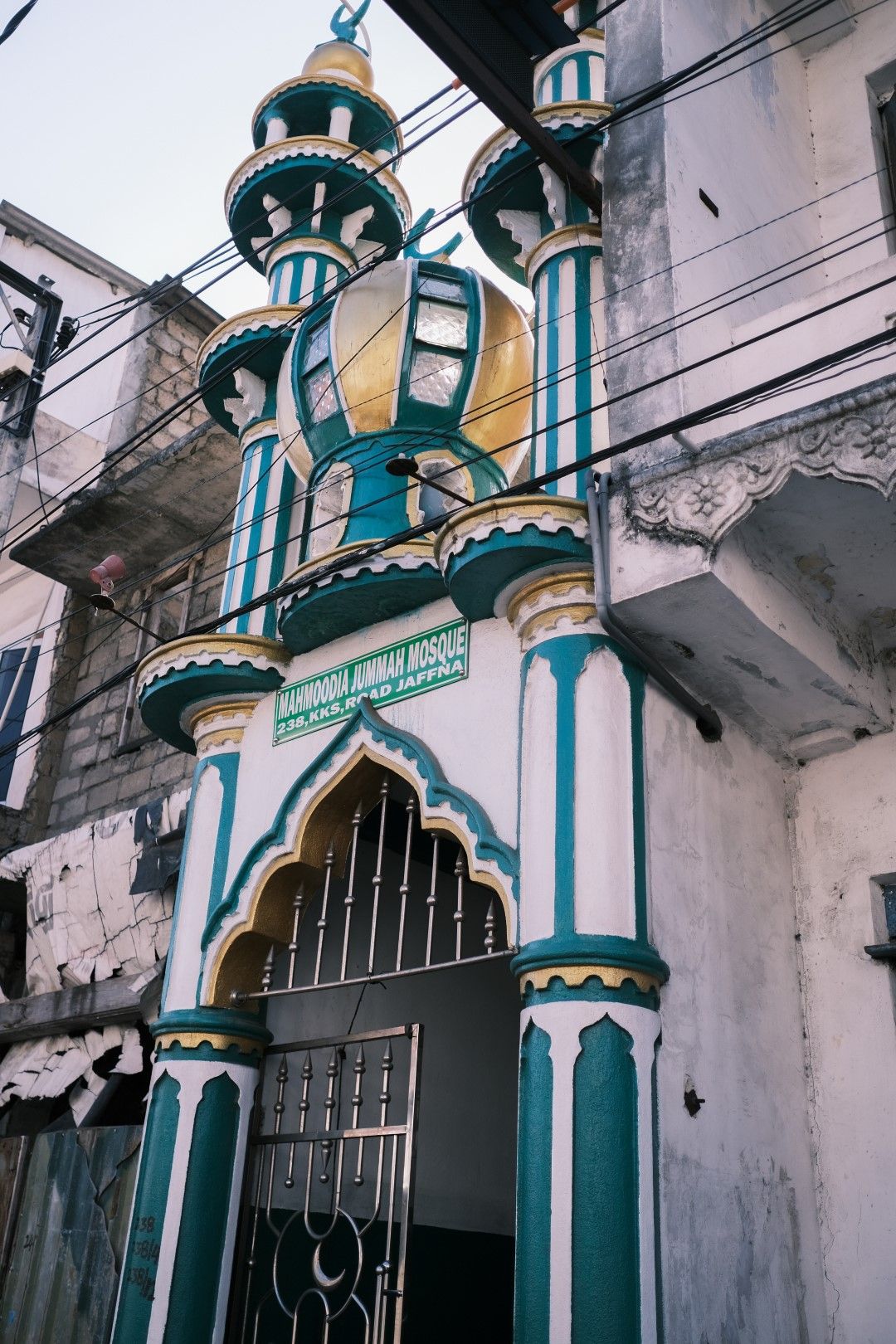
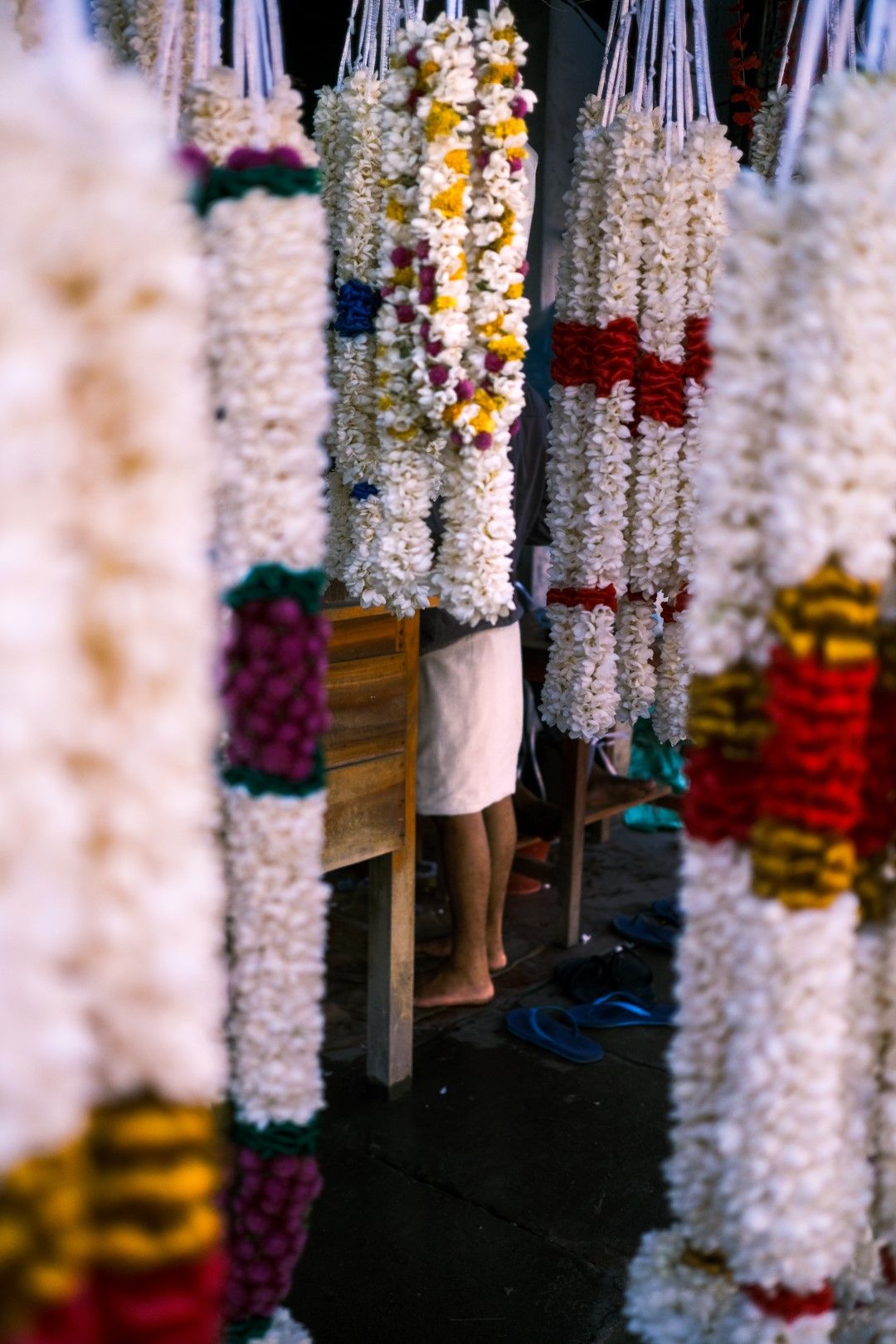
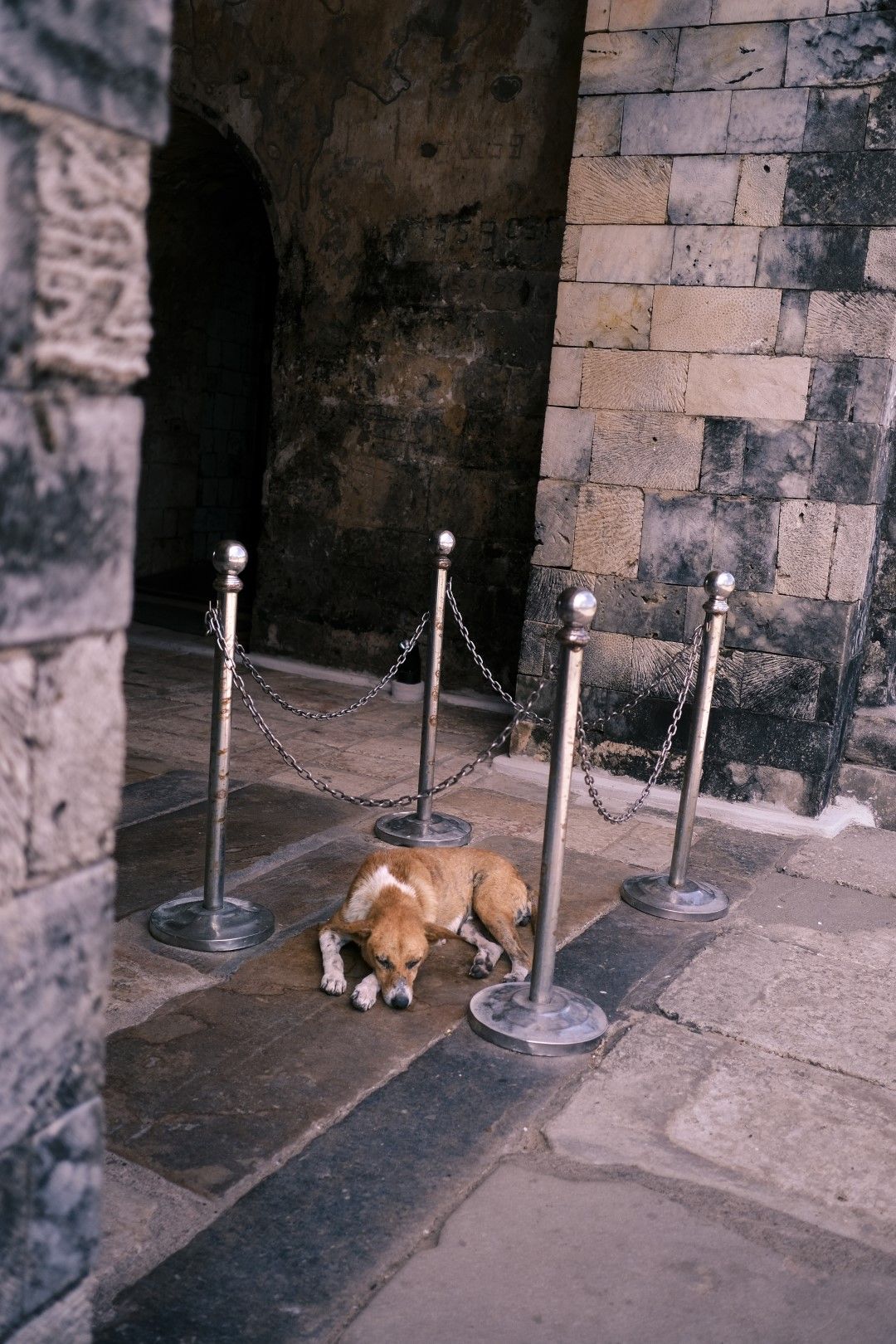
Scenes from Jaffna, Sri Lanka.Scenes from Jaffna, Sri Lanka.

A few kilometers out, the landscape changes. Roads narrow, the trees thicken. Palmyra groves line the paths, their jagged leaves whispering stories of tappers who climb at dawn with no harness, just a rope around their waist and faith in their feet. They bring down the nectar which becomes toddy after a night of fermenting in clay pots.

The first sip is always a surprise. Earthy. Sharp. Honest.

I had mine under a tree in Karainagar, with a fisherman named Suthan who spoke of tides the way poets speak of heartbreak. He pointed out to Casuarina Beach, where the water is so still it feels staged.

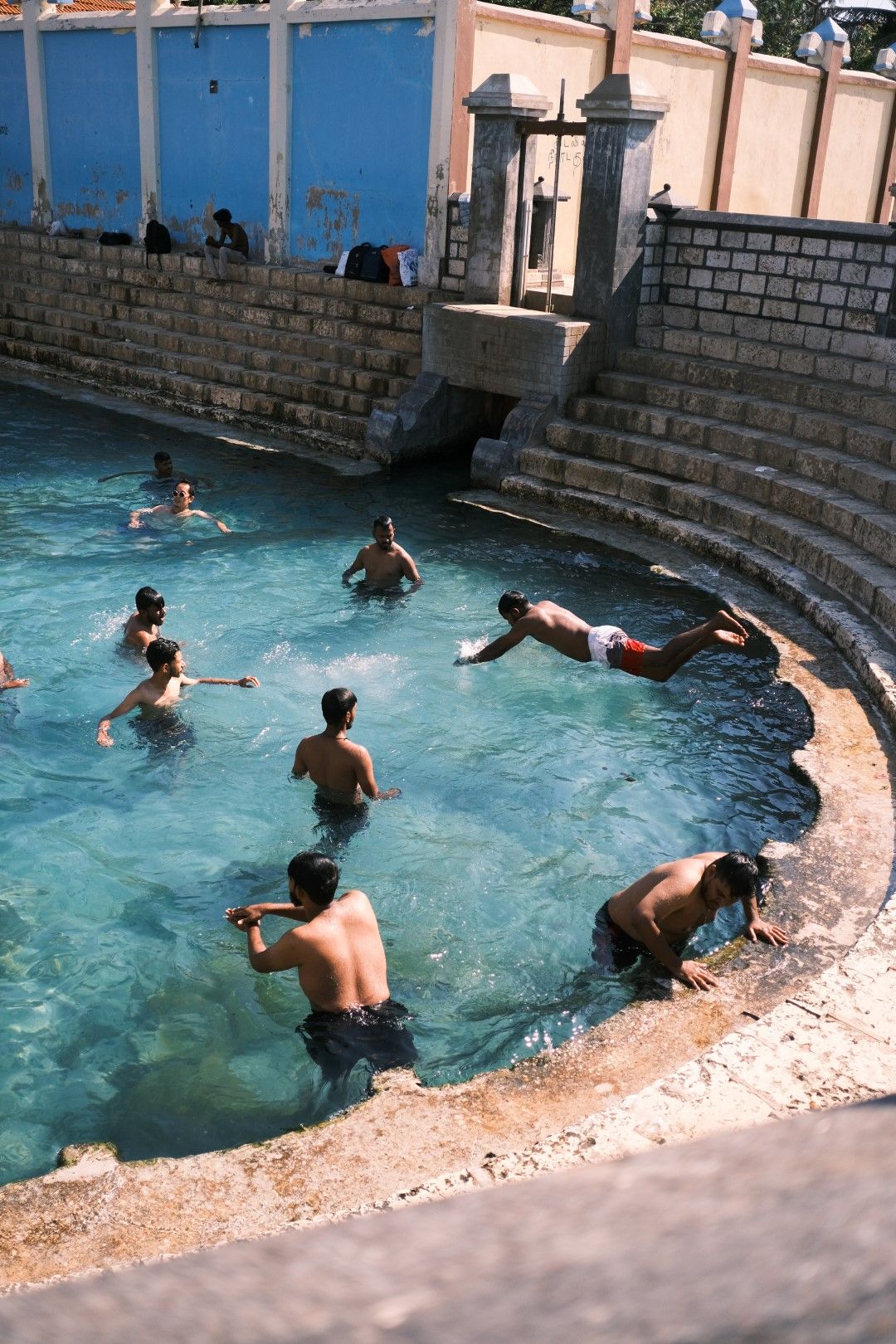
Further up north, you reach Keerimalai Springs – natural freshwater pools nestled beside the sea. Legends say the waters are healing. I saw a man in his 70s lower himself into the pool, eyes closed, as if in conversation with the gods. And maybe he was.

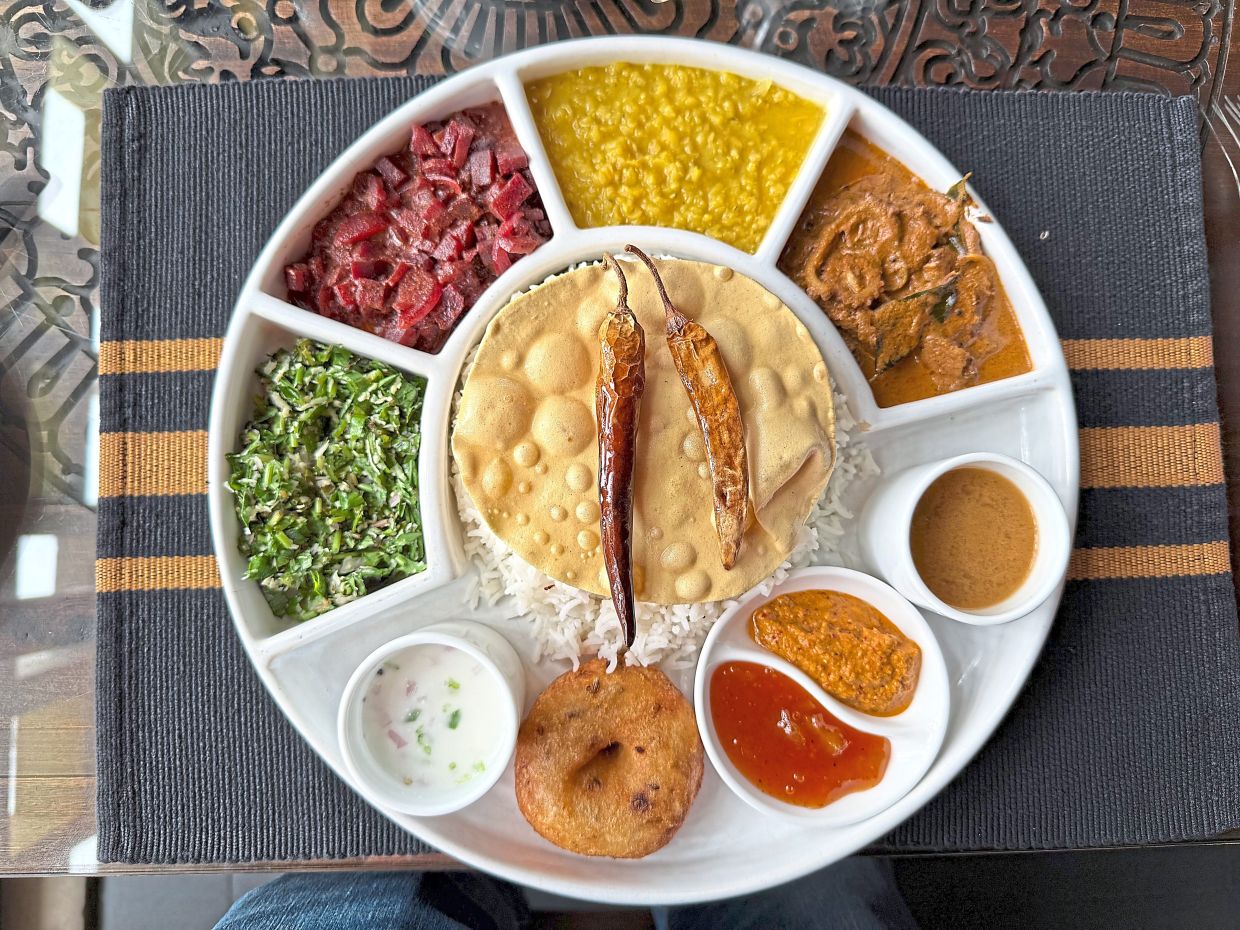
Back in town, the culinary rhythm of Jaffna asserts itself unapologetically. No seeni sambol (a type of onion sambal) here. This is the land of kool, a seafood broth thickened with palmyra root flour, spiced with tamarind and turmeric, and best eaten with your hands.

The crab claws fight back. The prawn shells whisper secrets. There’s also mutton poriyal, rich and dry; kathirikkai (brinjal) with burnt garlic; and the peerless vellai paniyaram, a rice flour fritter that defies all logic by being both crunchy and cloud-like.

Every meal in Jaffna will leave you wanting more.Every meal in Jaffna will leave you wanting more.

Jetwing Jaffna, to their immense credit, gets this. Their chefs have leaned into the local larder with no apologies. Breakfast includes idiyappam with crab curry, and lunch might bring poondu kulambu (a type of curry) so fiery it’ll make your ancestors sweat.

And then there’s Mahesa Bhawan, where dinner feels like a private concert. You don’t order off a menu, you surrender. They bring you what the land and sea gave them that day.

One night it was fresh white snapper grilled in banana leaf with a coconut sambol so vivid it could sing.

Jaffna isn’t easy, it never has been. The war took so much – the tsunami added insult. But still, the temples shine. The bicycles glide past old colonial bungalows. The markets hawk mangoes and dried fish. The cemetery walls speak of lives cut short and others defiantly long-lived.

The Jaffna Fort still looms, weather-beaten and stubborn. Built by the Portuguese, expanded by the Dutch, it has seen more conflict than most generals. Today, its ramparts make a fine spot for a sunset, even if the surrounding grounds are littered with debris and broken promises.

There are other pilgrimages too: The Jaffna Library, for example. Once one of the most complete and precious repositories of Tamil literature in South Asia, it was burnt to the ground in 1981 in an act of calculated cultural erasure.

It has been defiantly rebuilt and today, it stands not just as a library, but as a monument to resilience, proof that ideas cannot be razed and that words, like people, return stronger when they are buried with intent.

There’s also the Sivapoomi Museum, where Tamil history is preserved in silence; the alleys near the Dutch-era churches; and the daily ferry to Delft Island, a surreal outpost where wild horses roam and coral walls mark property lines.

At some point, someone will ask, “Why go all the way to Jaffna?” And the only answer worth giving is this: Because it’s still there. Not just existing, but insisting. In the food, the faces, the faded colonial relics, and the songs sung at kovil festivals.

But if you think that’s all Jaffna has to offer, you haven’t lingered long enough.

The gopuram at Nallur Kandaswamy Temple.The gopuram at Nallur Kandaswamy Temple.

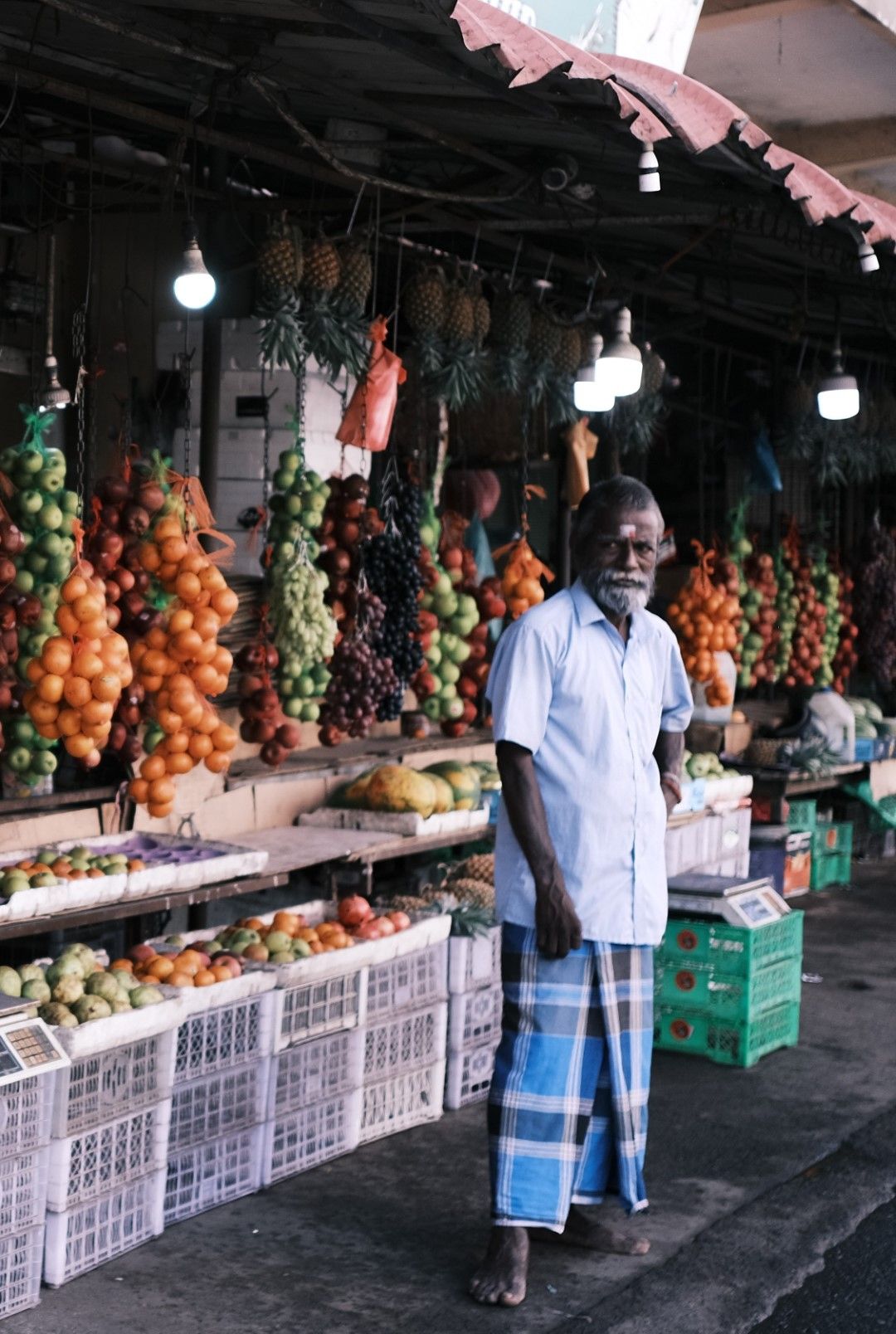
Spend a morning at Thirunel-veli Market. This is no quaint marketplace, it’s a living, heaving organism. You move with the crowd or get elbowed out of the way.

Carts teeter with jackfruit, coconuts, and mounds of red onions. Dried fish hangs like laundry, papaya juice spills on concrete and someone is always shouting.

Take the road toward Kantha-rodai, a field of silent stupas nestled in a quiet grove, eerie and moving. There’s no fence, no fee, just a field of domes watching the sky. Their presence says something about the many lives Jaffna has lived, and how faith here isn’t a tourist show. It’s sediment.

Drive west to Kankesanthurai Harbour, where rusting boats lie forgotten and the sea looks like it’s nursing an old wound. But there’s beauty in the stillness. Kids still dive off rock jetties.

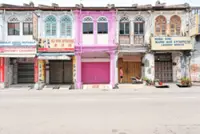
If you find yourself in Point Pedro, the northernmost tip of the island, lean into the salt wind. The streets are lined with faded colonial facades and toddy shops that open before noon.

Back in the city, order a kothu roti served on yesterday’s newspaper. Let the rhythm of cleavers chopping on iron griddles become your soundtrack. Wash it down with sweet lime soda. Not everything has to be dramatic. Some things just need to be real.

And then there’s the statue – the one many drive past without a second glance, standing tall at a dusty junction where four roads wrestle for dominance. This is no ordinary roundabout. This is Sangiliyan Thoppu, and the man cast in bronze atop that pedestal is Cankili II – the last Tamil king of the Jaffna Kingdom.

His face is carved in stoic defiance. His hand grips a sword not just of steel, but of legacy. Once the sovereign of an independent Tamil kingdom, Sangiliyan fought tooth and nail, literally to the death, against the encroaching Portuguese in the early 1600s. When his back was against the wall, he didn’t flee.

He rallied and rebelled. He dared to dream that Jaffna could remain free.

They hung him in Goa in 1623. But they could never hang his memory.

Today, that junction, the meeting of Point Pedro Road-Muthirai junction, is a pulsing artery of the city where buses honk and young lovers meet. A coconut vendor does brisk business under the king’s watchful gaze. And yet, for those who know, it is hallowed ground.

Every time the wind tousles Sangiliyan’s bronze hair, every time the sun hits his sword it reminds us: Jaffna had kings once. And their stories were not written in Portuguese or Dutch or English. They were carved into the very soul of this land.

The views expressed here are entirely the writer’s own.

Abbi Kanthasamy blends his expertise as an entrepreneur with his passion for photography and travel. For more of his work, visit www.abbiphotography.com.

Follow us on our official WhatsApp channel for breaking news alerts and key updates!


Jaffna, a city in Northern Sri Lanka, has been a forgotten, deserted and desolate land after the 25 year war of attrition, with the majority Sinhala government and people, who has put down their rebellion.

Forgotten to tourists, forgotten by the world and also forgotten by many of its own population, who had deserted the land and wanted to migrate abroad as refugees, seeking a new life, new work opportunities in the Commonwealth and Europe. 

Having spent too much time to redress their grievances in  Sri Lanka with the majority Sinhala nationalist, some chauvinistic,  some pro militaristic tendency   right wing  Governments and at world councils, like the UN Human Rights Council, Geneva, in propagating their case for justice and recognition of their status as human beings, they were worn out by their appeals, which went to deaf ears. 

forgotten by many among its own citizens as well. the one thing in their mind was how could they seize their opportunity  to bring back their due justice,

Their grievances were echoed in the dawn in June 2024, by the entire peoples of both communities Sinhala and Tamil of the nation recognising in the peaceful citizen protest, initiated  by student and worker youth "Aragalia movement"  that enough was enough of the struggle by the Tamils for their due rights.

This recognition meant a new Government, the National Peoples' Power,(NPP) comprising the leftist Janatha Vimukthi Peramuna (JVP) being voted into power and taking the reins of a majority Government in October 2024.

The world outside waited and watched with much amazement for this spectacle  to take shape. It was not only nations the world recognised this sea change in the mindset of the majority Sinhala and minority Tamil and Muslim people, to unite under the banner of the NPP Government.

A new power has filled the vacuum of doubt, with Jaffna being recognised as a tourist resort by the Milan based, Lonely Planet Tourist Guide, naming Jaffna as second most desired world destination of 2026.

The choice of travel destination is now yours for the asking.

The proof of the pudding, as the saying goes, is in your taste buds.

Victor Cherubim

Director, Visit Jaffna 2026,

email; victorcherubim@aol.com