The threshold of tolerance for ordinary people the world over is near reach, or so it seems. Everywhere people are asking themselves, what is in store for the near future, for us with energy and food price escalation, and for our starving children.
Are we backing ourselves into a cul-de-sac or do we read the road ahead ?
Talk of a US backed peace deal to end the Iran war, with intermediaries, like Pakistan and Turkey intervening, has sparked a number of concerns in Israel, that President Donald Trump might strike a deal that falls short of Israel's objectives ,limiting its ability to strike against Iran, if and when it wants to. Israel also has fears, second thoughts, that the war has strangely made Iran stronger, by its use of blockage in the Strait of Hormuz.
What is Trump wanting? Is is trying to buy time or help Israel, or both,or neither?
No one knows, he plays his cards close to his chest always as is seen by his actions?
Iran is well aware of this approach. But who is suffering by the two wars, one in Iran,
the other in Ukraine? Of course, without a doubt, ordinary poor people, whilst the rich get richer, as wars continue, the poor get poorer every hour.
How to end the destruction by war?
In a sense, or in essence, both wars were created to test their weapons of mass destruction? Both wars fed the war machine, to keep their economies strong or in fact build the wealth of military war machines? Survival is brought about by fear. fear of the enemy outside.
War reparation a necessity?
What Iran may demand by the war perpetrators is reparation in cash and kind. A so called moratorium in both wars it is estimated, can be brought about, perhaps, by Iran charging a fee to all the nations' maritime fleet who have caused the damage to its existence, and for Ukraine seeking war damage compensation.
All wars end in one way - reconstruction and renewal, in one word - reablement by the poor affected by the calamities.
With the Iran war overshadowing living in the Arab world, water and food are the two things in severe shortage in the oil rich world,that all the money they have cannot buy, or even contemplate, due to the Gulf of Hormuz shipping strangulation.
The population in the Gulf countries which multiplied and grew over the years in leaps and bounds, on the unending thought of affluence, now besides facing the decimating of their population in drones attacks, unemployment and penury are raising its head.
Able bodied workers from poorer Asian and African nations who settled in the Gulf on the so called thought of making a fortune and returning back to their countries, now have to rethink their strategy for living in the affluent Arab world.
The rich moguls in the UK, without settled status, the "Non-doms" in particular, who migrated to the Gulf shores in drones thanks to the Labour government increasing their wealth taxes and inheritances, are having second thoughts, to return back to their homes in the UK which they abandoned, in search of wealth preservation and less taxation.
"What goes up, must come down," is a saying, which was a generally or literally abandoned principle , has now become a guideline after the Iran War on US bombardment of Iran of 28 February 2026.
"Wars begin in the minds of men, and in the minds of men must the defences of peace be created," is a principle embodied in the UN Charter, after the devastation of two World Wars of the 19th/early 20th century.
What the creators and pundits of the Gulf States and Principalities, a creation of the early 20th century historians forgot to take into serious account was wealth preservation is determined not only by the wealth of oil and natural resources underground, but by life giving sources of water underground.
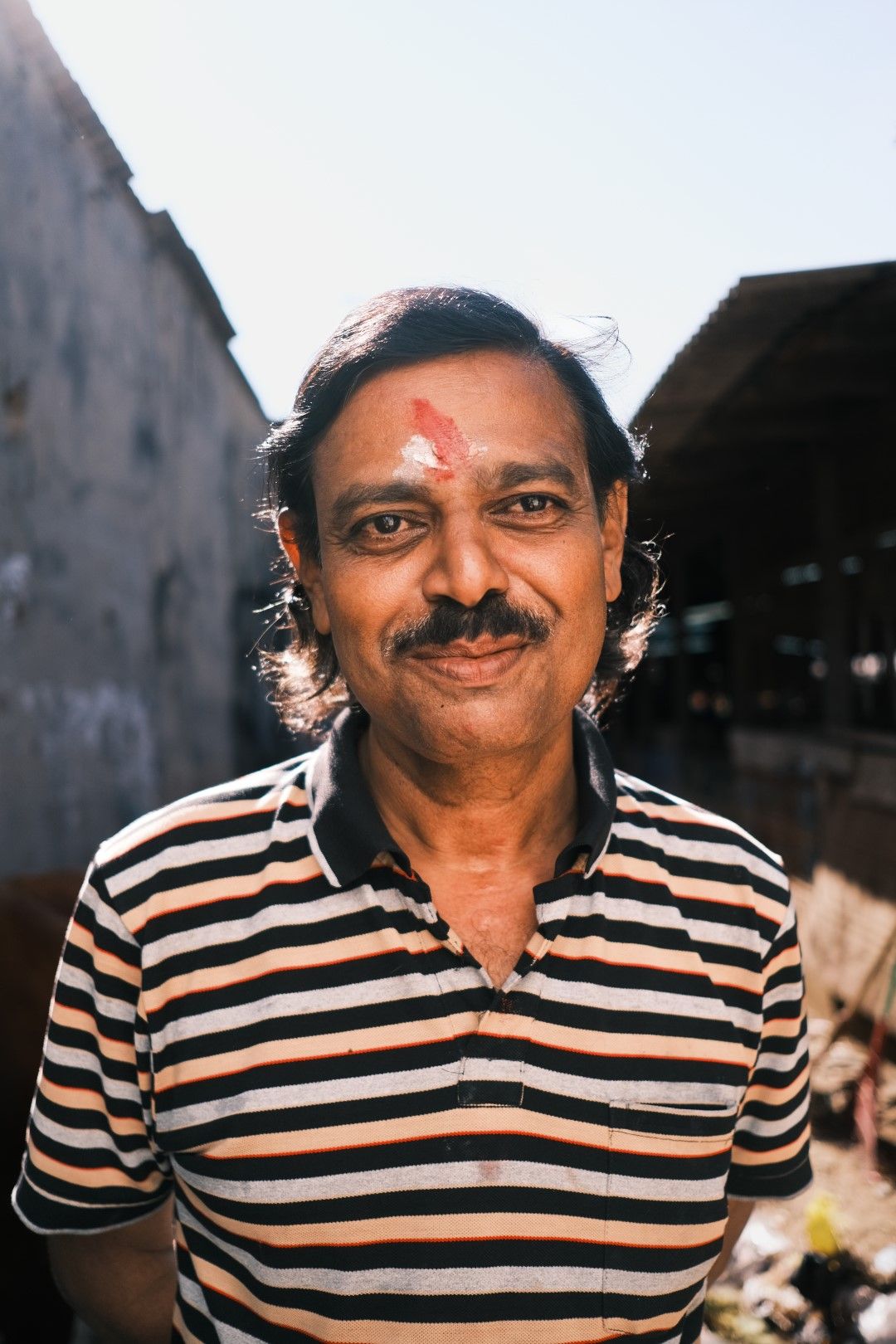
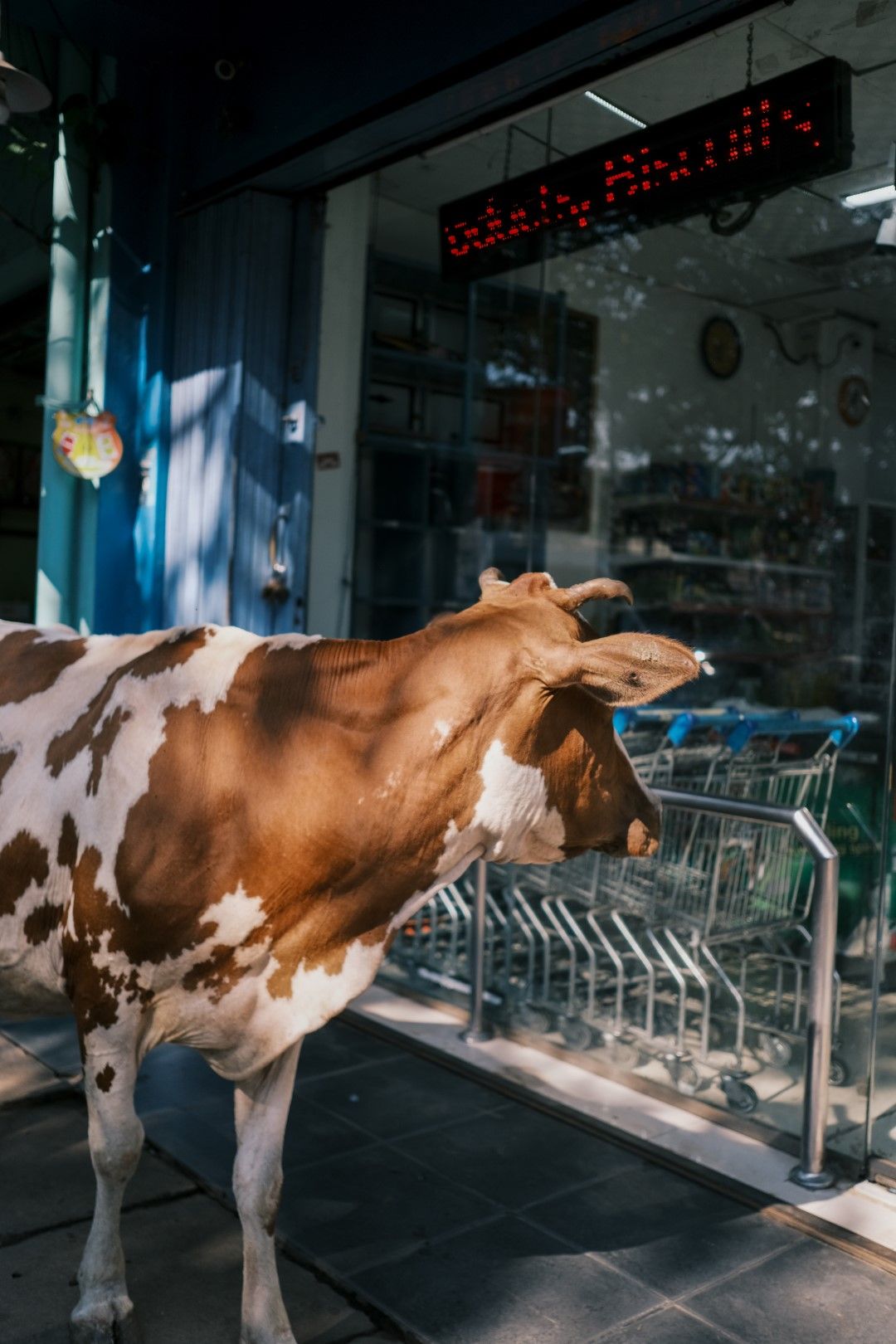
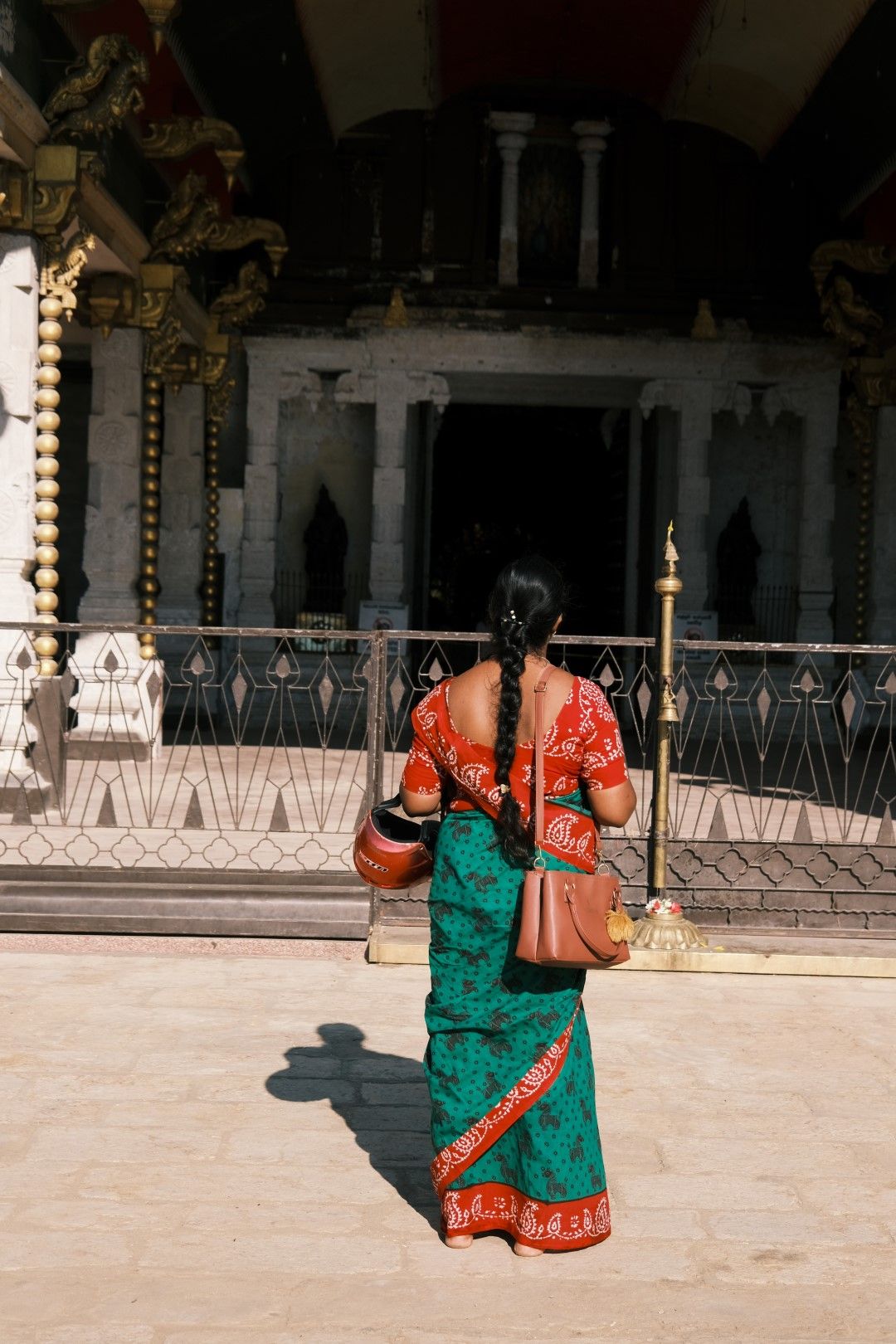
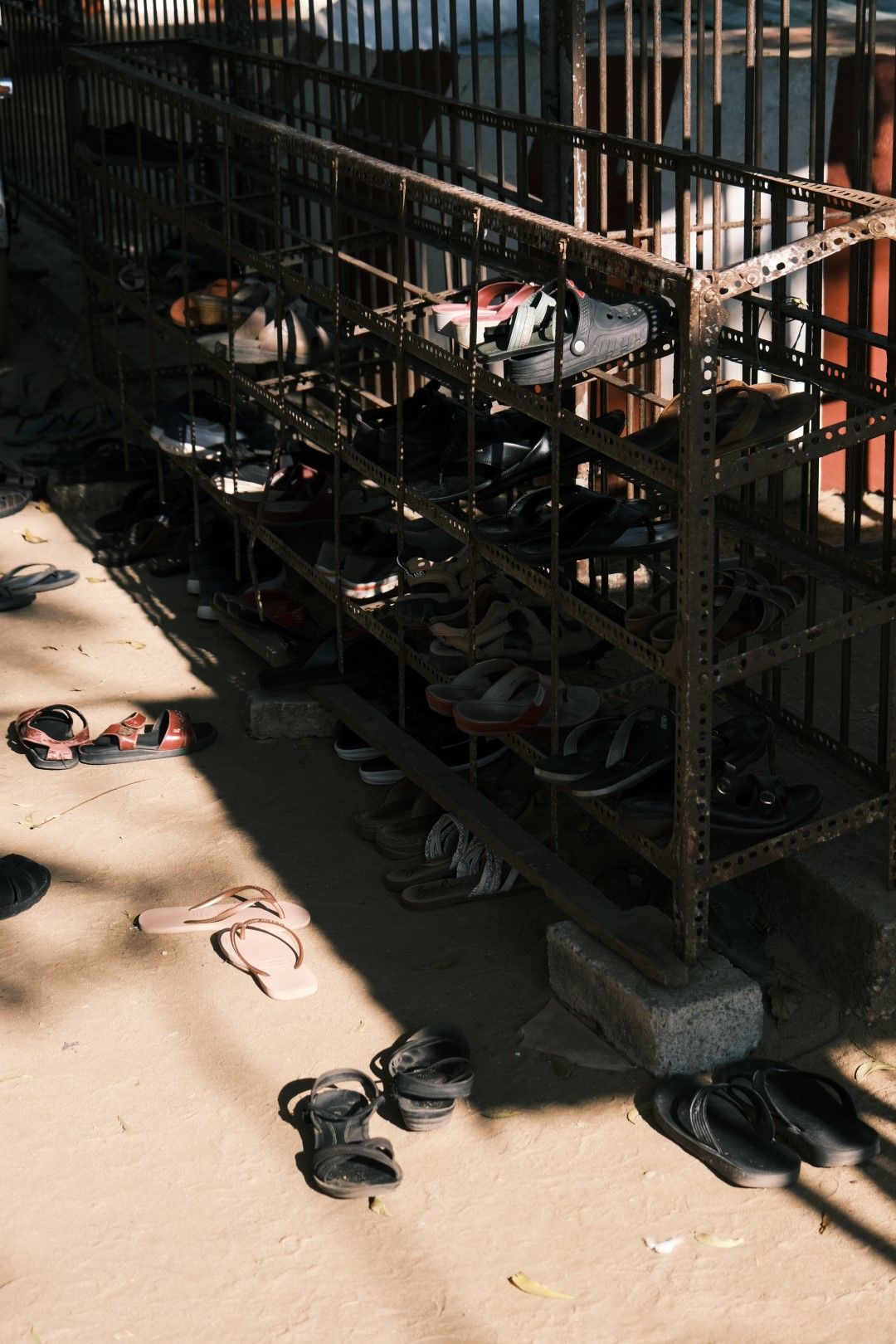
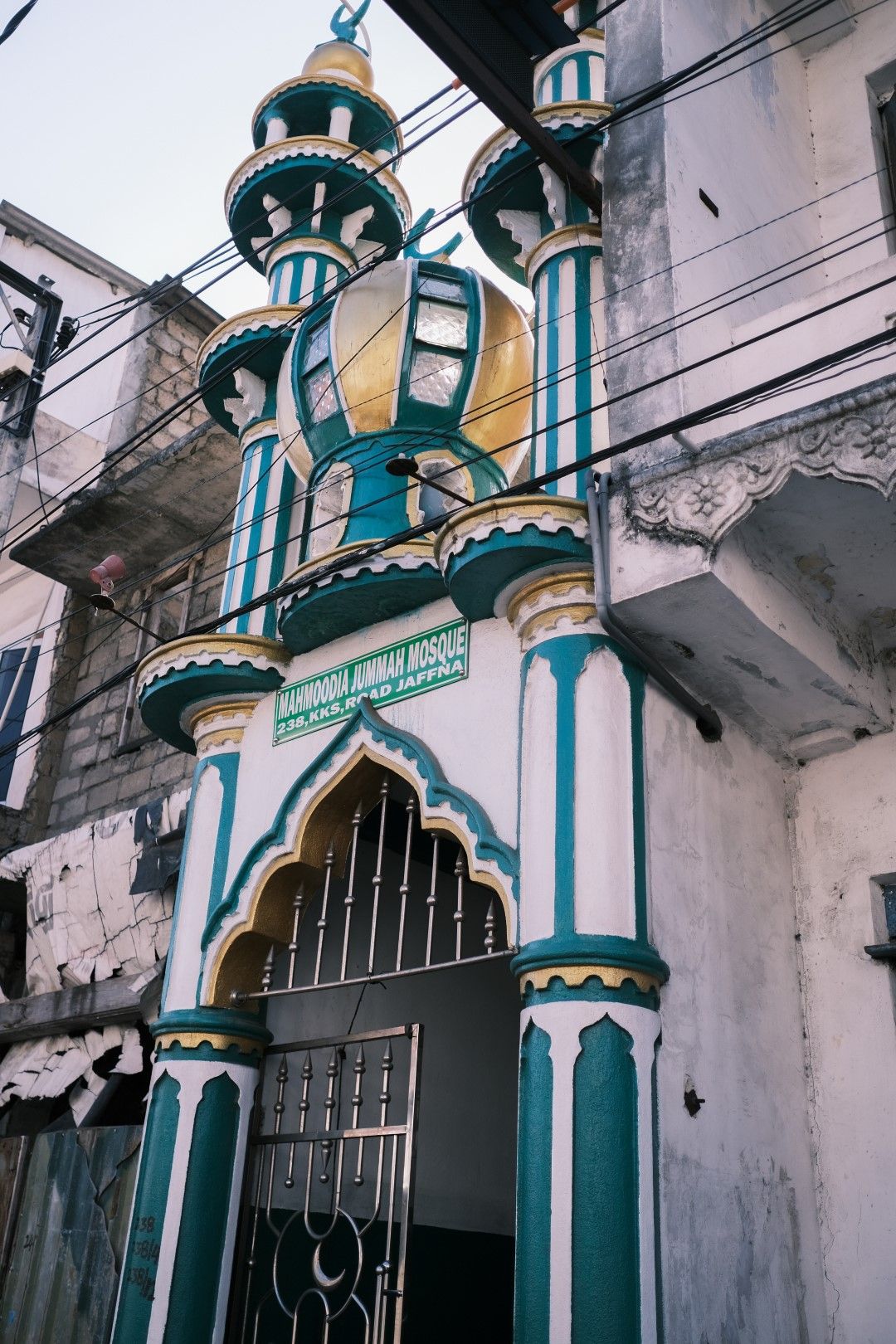
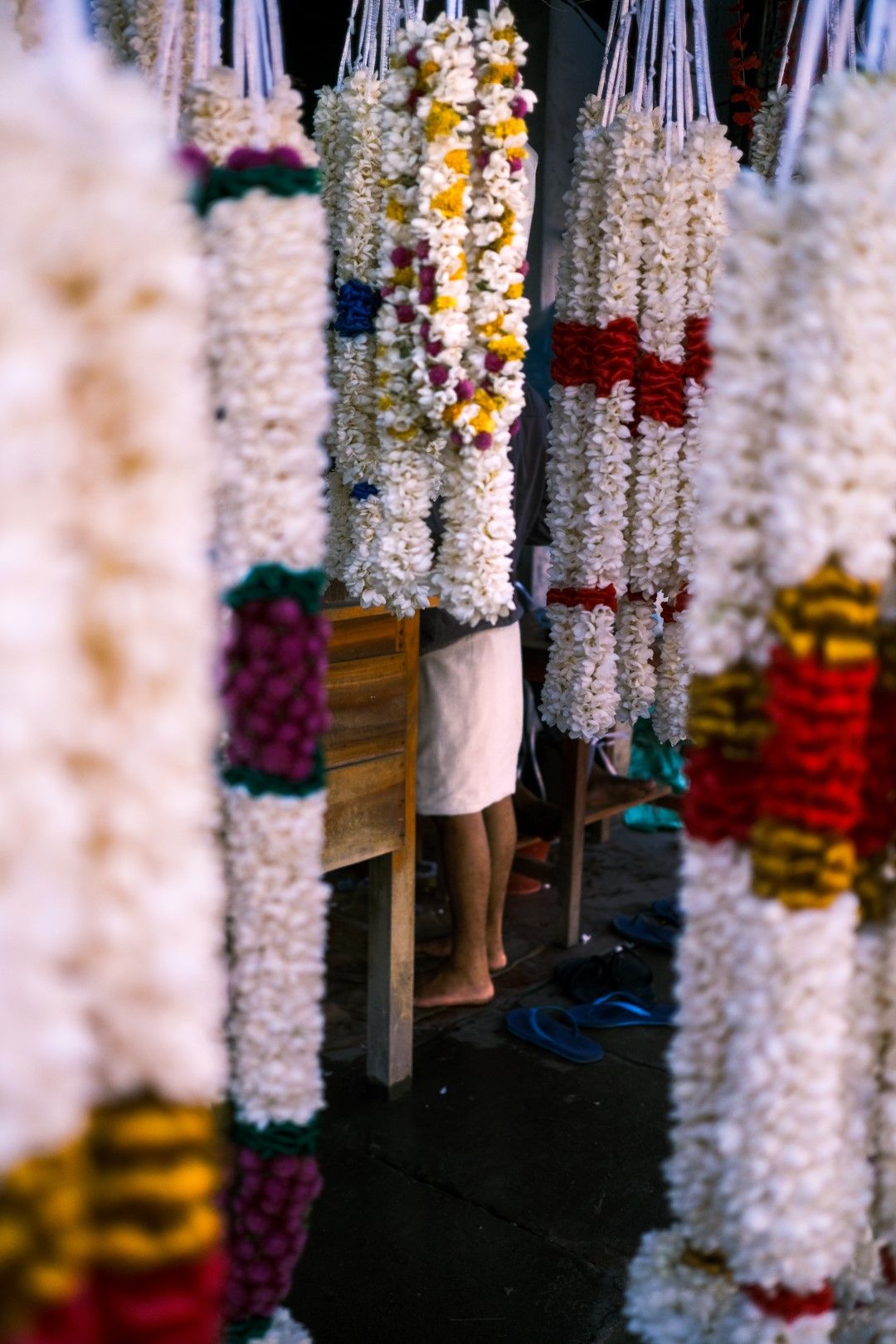
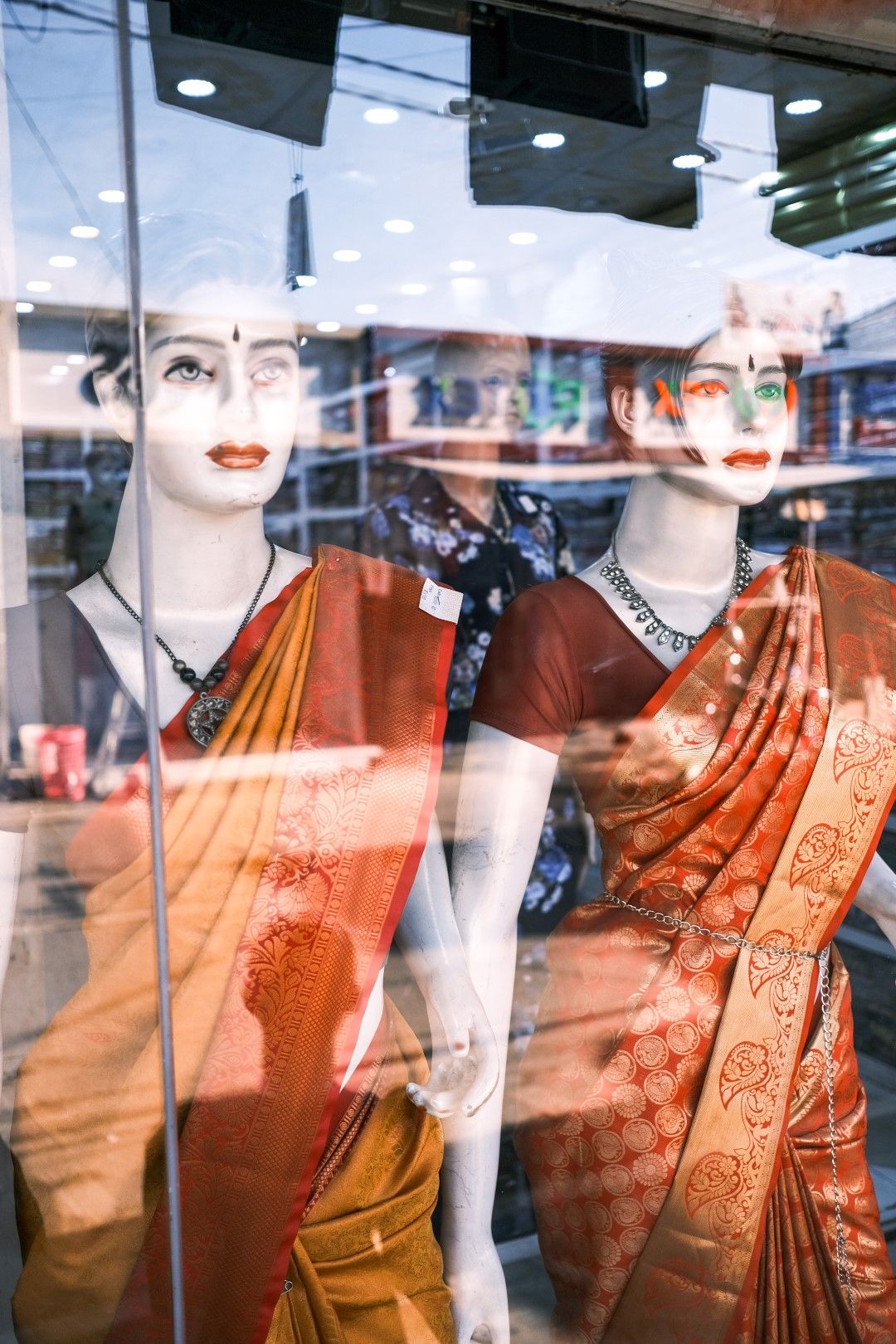
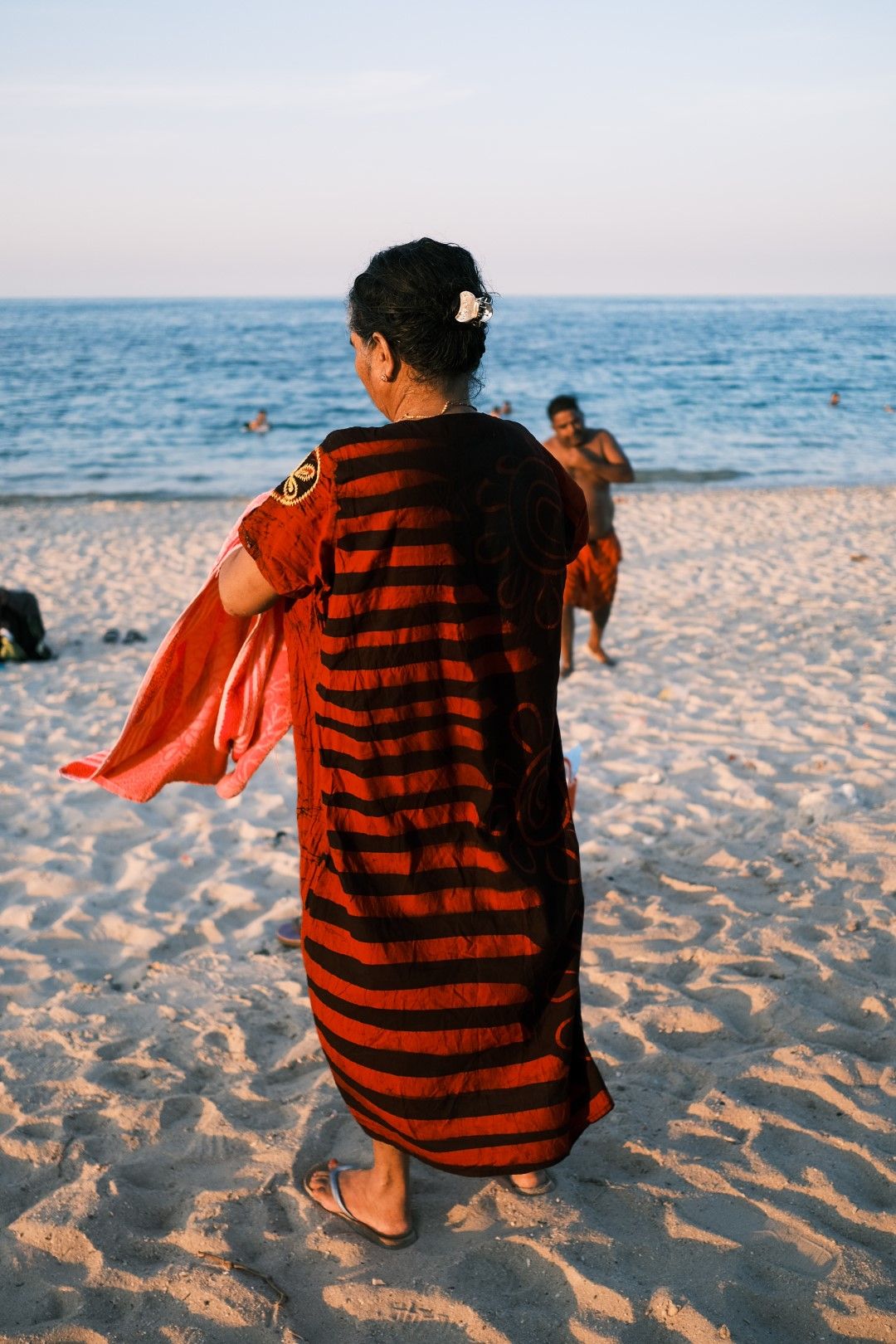
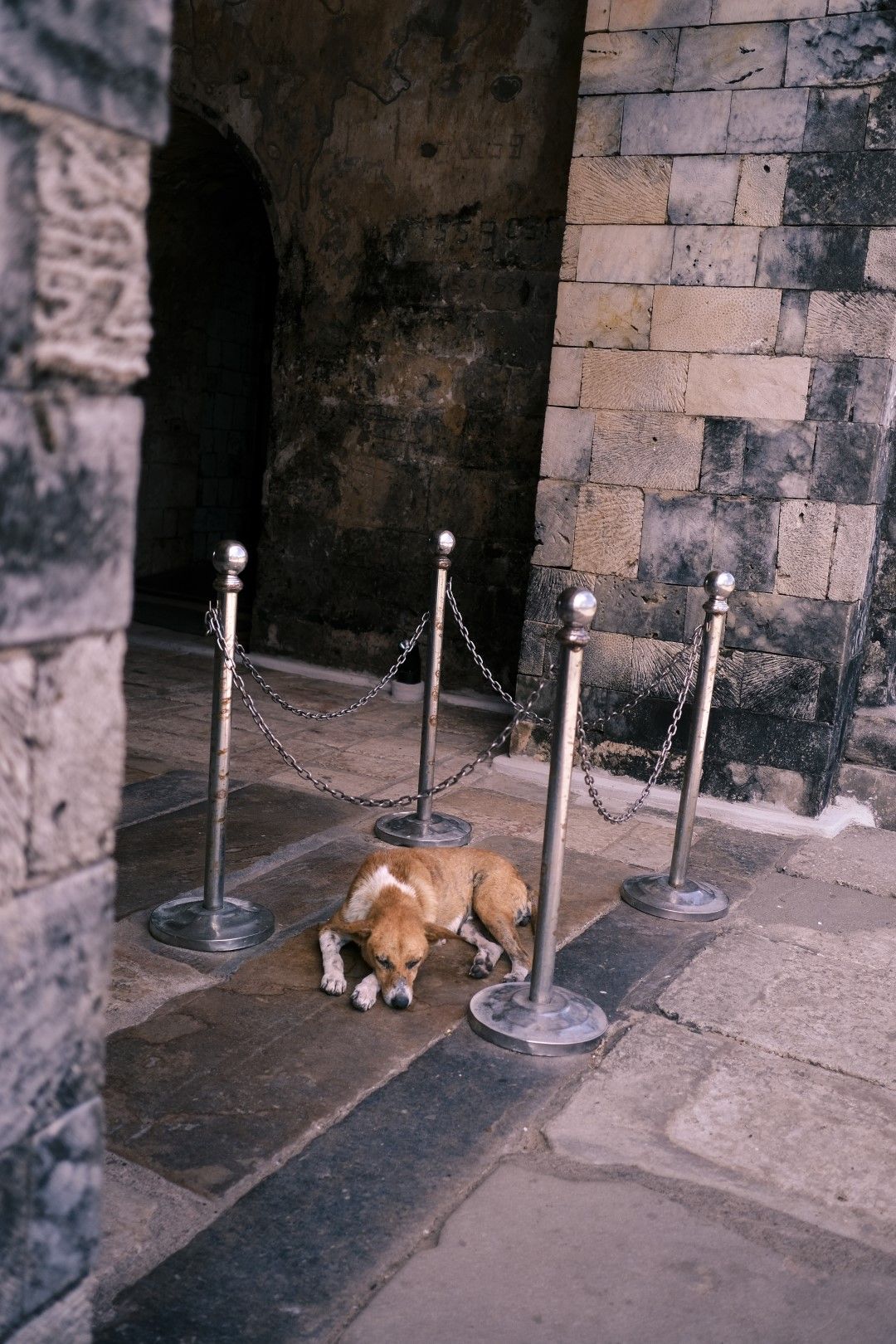
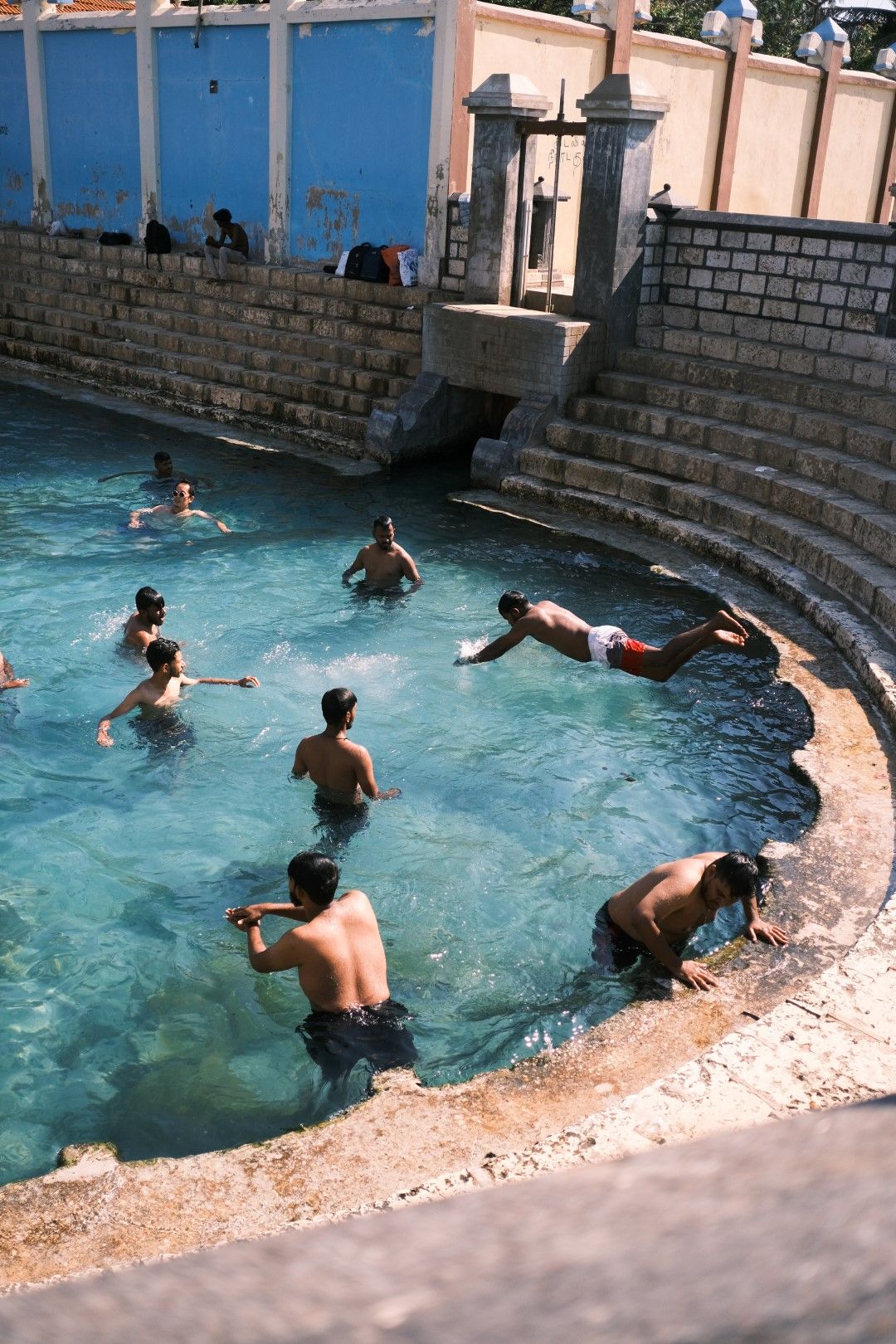
Jaffna is an intriguing city. It is located on the northern tip of Sri Lanka, where you can almost touch India, and far away from the lush mountains and palm-fringed white beaches Sri Lanka is known for. Jaffna is hot, flat and raw. Here, you can feel the Indian influence in the streets and in the food, from the colourful Hindu temples where sari-clad women and shirtless men pray and people on bicycles to the cows on the street and the bold flavours of spicy crab curry.
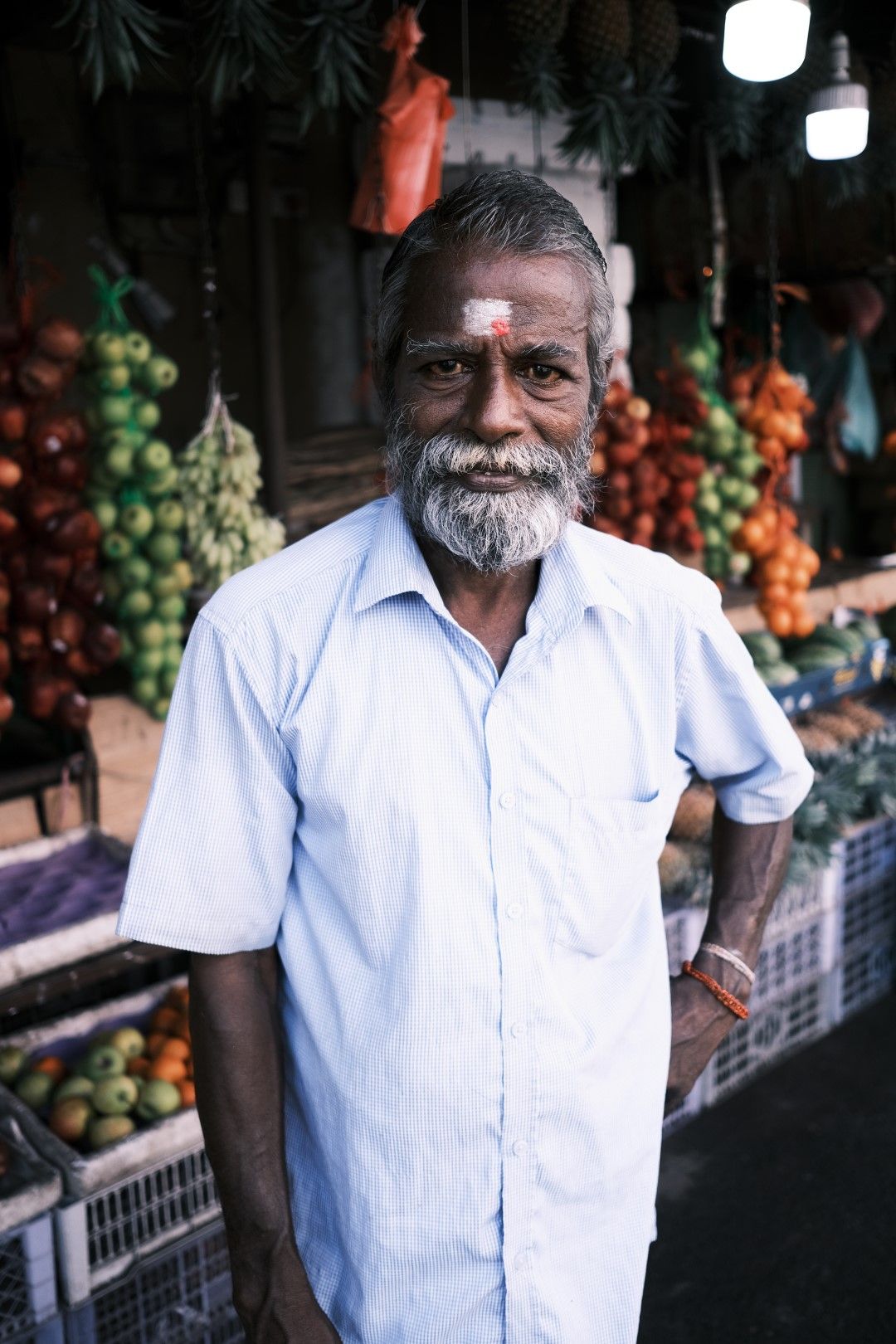
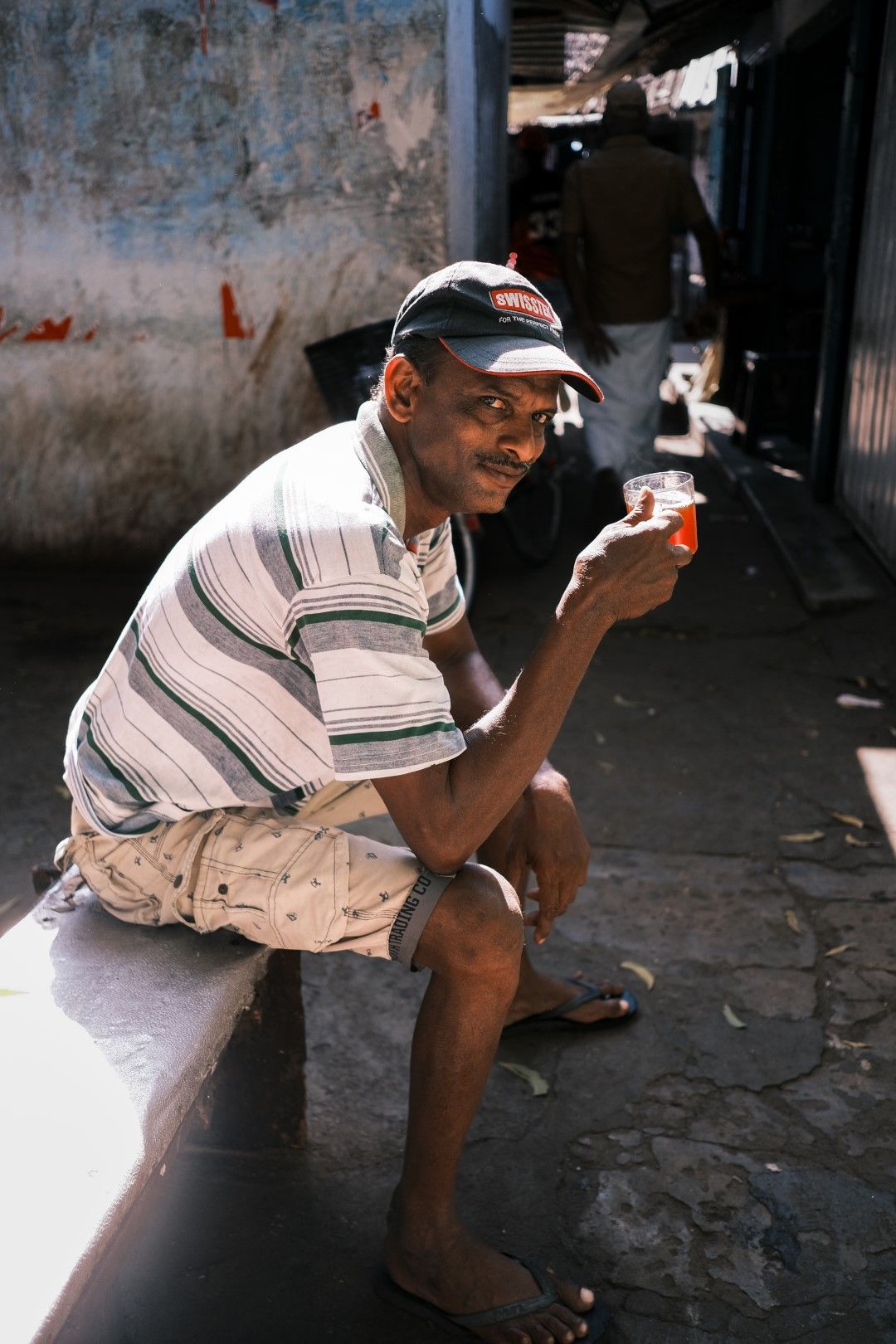
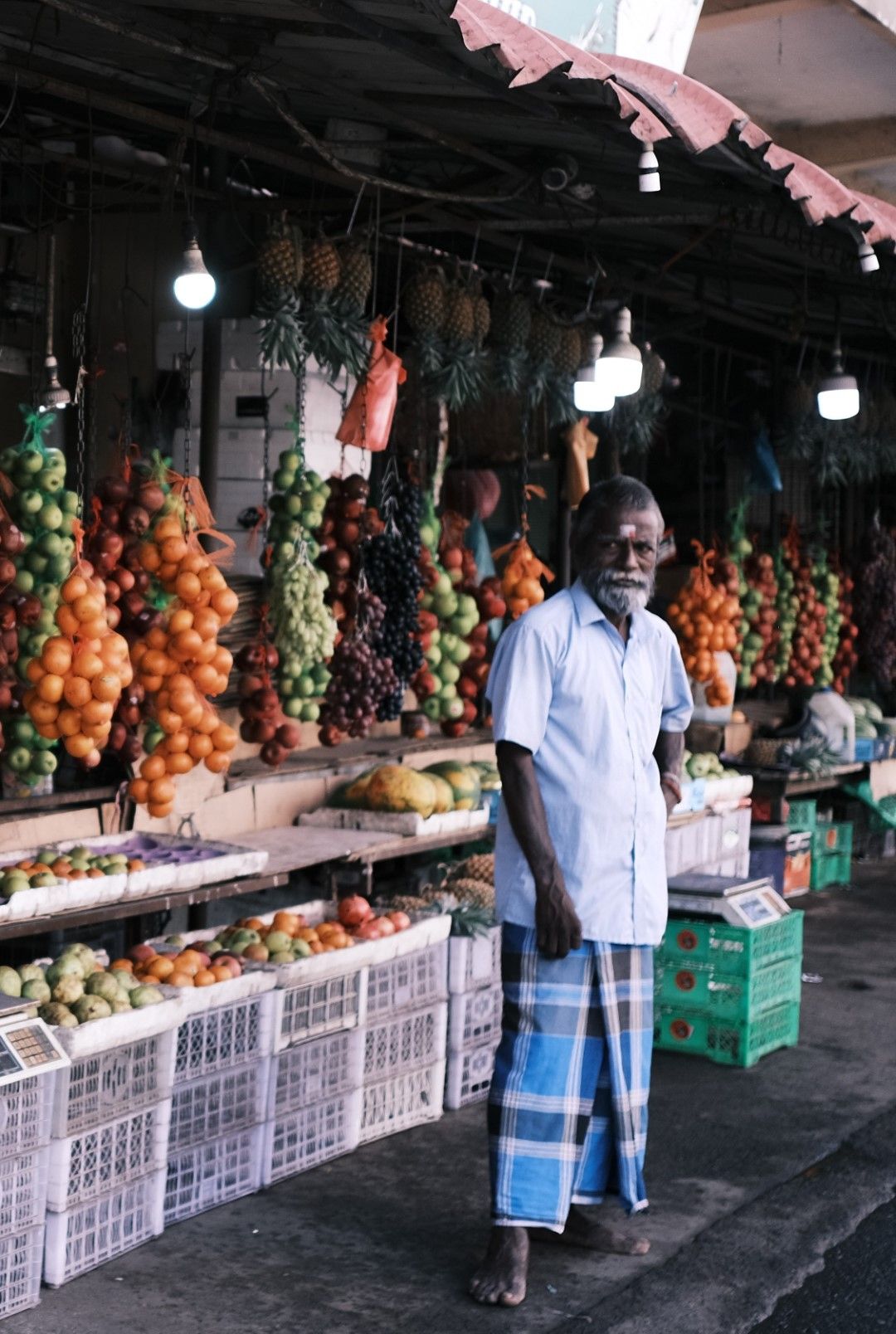
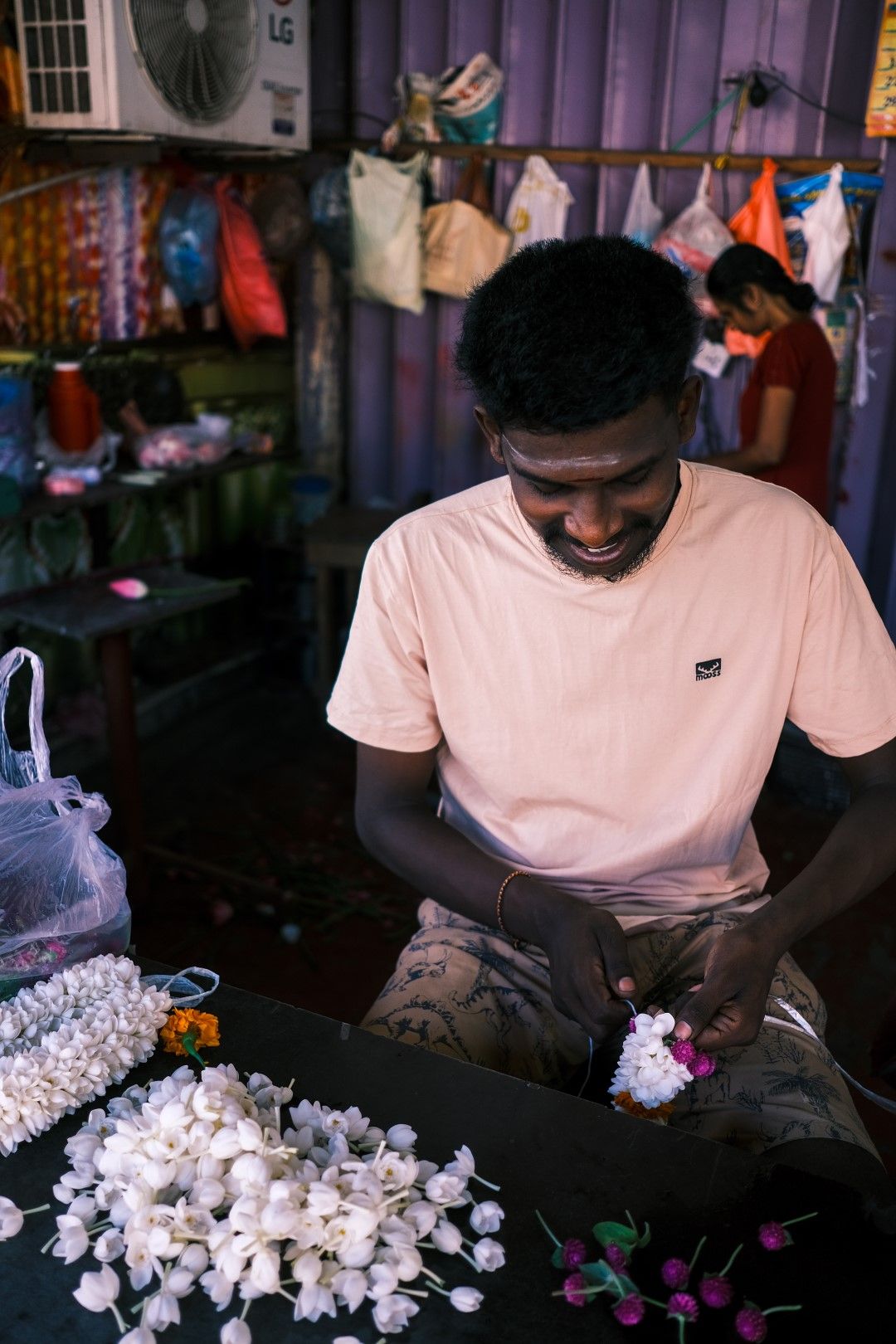
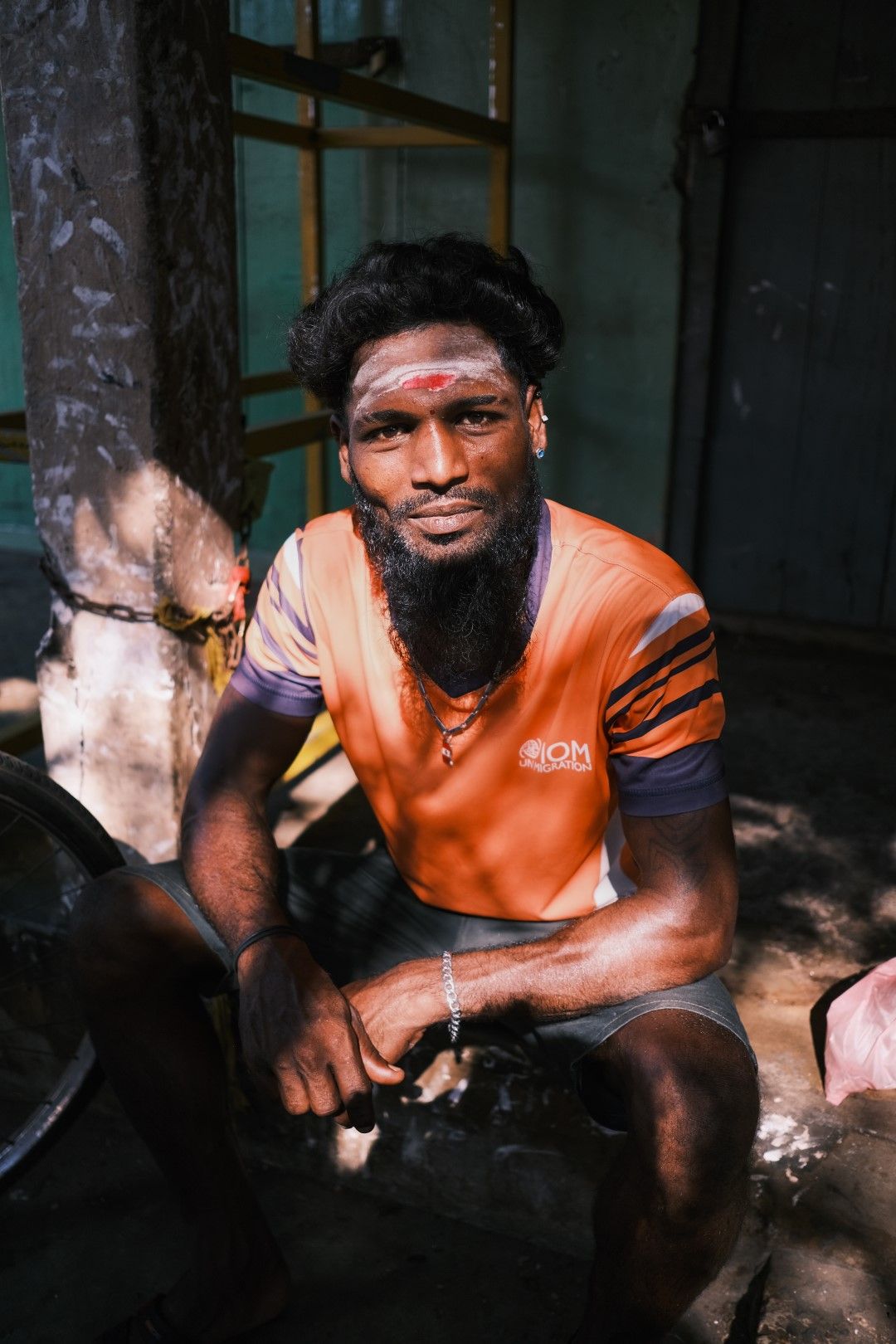
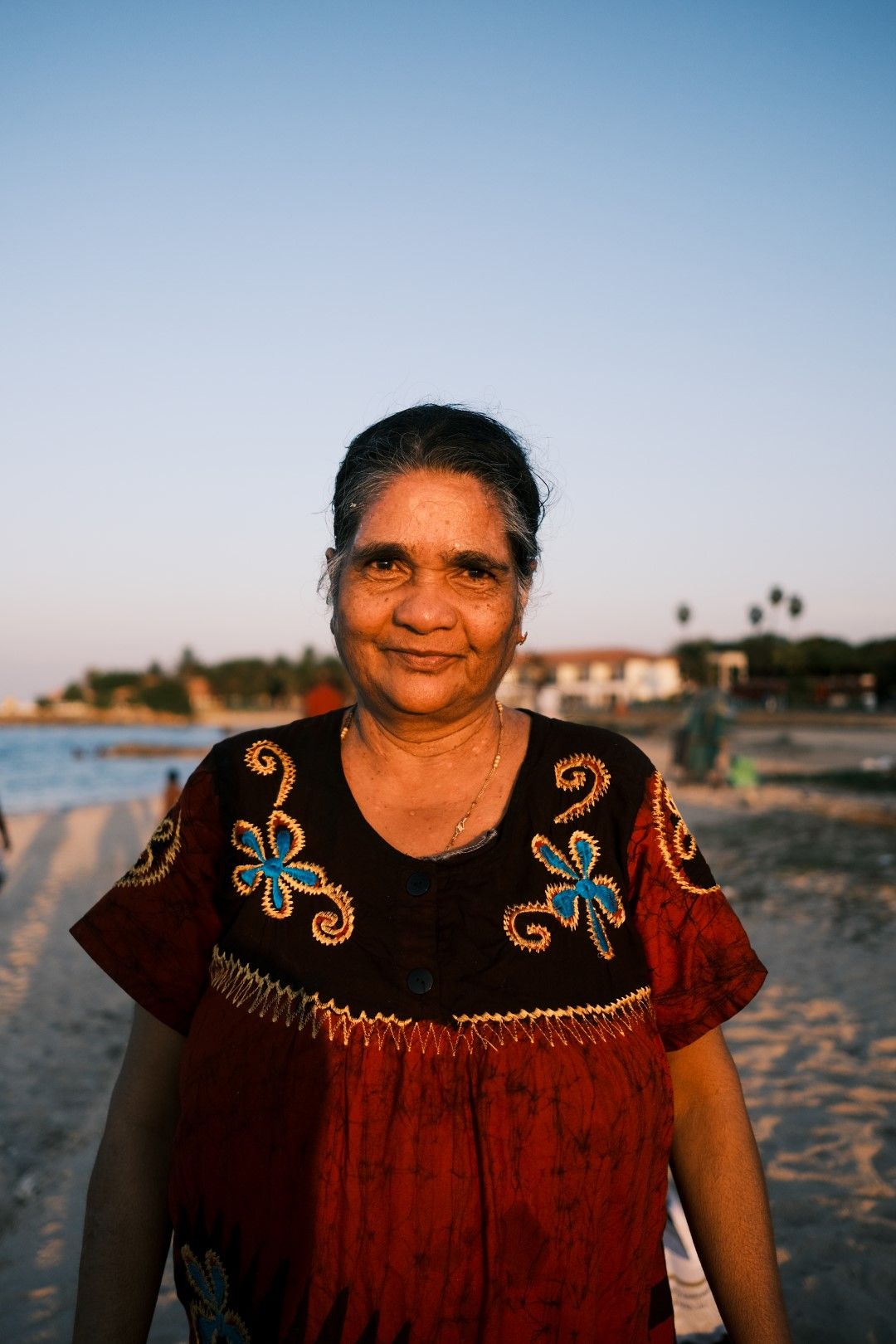
As a photographer and a foreigner living in Sri Lanka—I am originally from the Netherlands—it is great to be away from the usual tourist spots. I spent a few days in this off-the-beaten-path destination. As I wandered through Jaffna, camera in hand, I was drawn to people’s faces, their stories etched into their expressions and woven into the fabric of the city, a vibrant symphony of scents, sounds, and colours. Despite being an outsider, I sensed a welcoming atmosphere, a silent invitation to come closer. Feeling excited and yet vulnerable, I approached people on the streets of Jaffna. The more I roamed and the more locals I connected with, the more I could see the undeniable diversity, resilience and authenticity of Jaffna.
Through this collection of photographs, I invite you to meet the people of Jaffna who left an indelible mark on me. Each encounter was a revelation that revealed a unique face of Jaffna’s tapestry, whether it was a sparkle of curiosity in keen, kind eyes, a serene ritual of morning tea or the profound sincerity of craftsmanship. I hope my photos paint a vivid picture of Jaffna’s rich and diverse narratives.
About Kari
Kari Dooren is a strategic service designer with a curious mind, a heart for social design and a passion for photography and philosophy. Her work is characterised by wanderlust; capturing people, scenery, cultures, identities, and behaviours. Kari currently lives in Sri Lanka, where she works at the Netherlands Embassy in Colombo.